Thai Amavasya – Significance, Rituals, Pitru Puja & Ancestral Blessings
Thai Amavasya – Significance, Rituals, Pitru Puja & Ancestral Blessings
Thai Amavasya, observed in the Tamil month of Thai (January–February), is one of the most spiritually powerful new moon days dedicated to honoring our ancestors (Pitru Devatas). It is believed that performing rituals, food offerings, and Pitru Tarpanam on this day brings peace to departed souls and blessings such as protection, prosperity, and emotional healing.
What is Thai Amavasya?
Thai Amavasya is the new moon day in the Tamil month of Thai and is considered a highly auspicious day for performing Pitru Puja and ancestral rituals. According to Hindu tradition, the energies of this day help us connect with our lineage, offer gratitude, and pray for the upliftment of departed family members.
This day is especially observed by Tamil communities, but Hindus across India recognize its spiritual significance related to ancestral blessings.
Why is Thai Amavasya Powerful for Ancestors?
Thai Amavasya is believed to be a time when the ancestral realm (Pitru Loka) becomes closer to the earthly plane. Scriptures say that:
- Ancestors bless the family with health, wealth, harmony, and protection.
- Performing Pitru Tarpanam removes Pitru Dosha, a karmic imbalance caused by unmet duties toward ancestors.
- Sincere offerings bring peace to departed souls and uplift their journey.
- It strengthens the family’s spiritual foundation and dissolves ancestral karmas.
This is why Thai Amavasya is considered one of the most powerful days for Pitru Puja after Mahalaya Amavasya.
When is Thai Amavasya Observed?
Thai Amavasya occurs on the Amavasya (new moon) in the Tamil month of Thai, which usually falls between mid-January and mid-February.
Devotees perform:
- Early morning baths
- Tarpanam rituals
- Temple visits
- Charitable acts
- Food donations
It is recommended to check the exact Thithi timing for accurate rituals.
Where is Thai Amavasya Celebrated?
Thai Amavasya is widely observed in:
- Tamil Nadu, Kerala, Karnataka & Andhra Pradesh (as part of Pitru Puja traditions)
- Ganga, Cauvery & seashore locations where sacred water offerings are done
- Ancestral homes and temples dedicated to Shiva or Vishnu
- Abroad among Tamil and South Indian communities who perform Tarpanam at home or participate in online rituals
- Performing Pitru Tarpanam at rivers like Rameswaram, Gaya, Kashi, Rameshwaram, or Triveni Sangam is considered especially auspicious.
How to Perform Pitru Tarpanam at Home (Simple Guide)
If you cannot visit a temple or sacred river, you can still perform a meaningful ritual at home.
Step-by-Step Pitru Puja Ritual
Wake up early, bathe, and sit facing south (direction of ancestors).
Prepare a plate with:
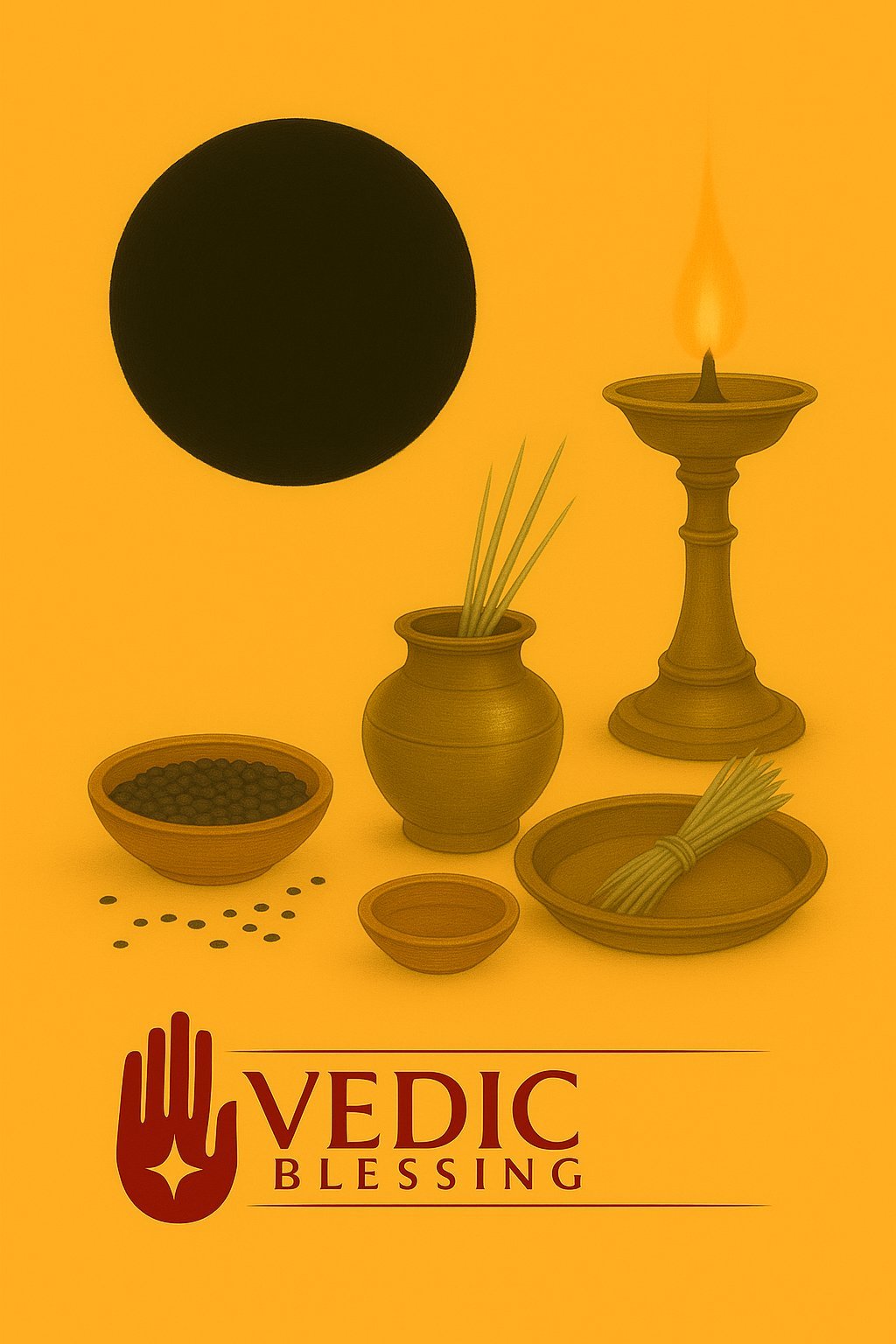
- Black sesame seeds (Ellu)
- Water in a copper vessel
- Darbha grass (if available)
- Rice or cooked food offering
Take a spoon of water, mix with sesame seeds, and offer with prayers. Chant simple mantras or offer prayers such as:
"Om Pitrubhyo Namah"
Offer rice balls (Pindam) if practiced in your family tradition.
Light a lamp and pray for:
- Peace to departed souls
- Forgiveness for any mistakes
- Blessings for the family’s well-being
End with charity: donate food, clothes, or grains to the needy. Even a simple offering done with sincerity brings great blessings.
Food Offerings & Rules on Thai Amavasya
Food offered to ancestors must be satvik and prepared with purity.
✔️ Foods to Offer
- Cooked rice
- Curd
- Sesame seeds (Ellu)
- Payasam (sweet offering)
- Banana
- Coconut
- Water mixed with sesame
- Special Pindam (rice balls)
✔️ Foods the devotee should avoid
- Non-vegetarian food
- Garlic and onion
- Alcohol
- Spicy or tamasic food
- Leftover food
A simple vegetarian meal is recommended for those observing the rituals.
Importance of Fasting on Thai Amavasya
Fasting or eating simple food on Thai Amavasya helps:
- Purify the mind and body
- Strengthen connection to your ancestors
- Reduce ancestral karmas
- Bring mental clarity and peace
- Attain blessings such as harmony, protection, prosperity, and spiritual upliftment
- Partial fasting (fruits or one meal) is also acceptable if full fasting is not possible.
Conclusion
Thai Amavasya is a sacred opportunity to honor your lineage, express gratitude to your ancestors, and seek their blessings for peace, prosperity, and well-being. Performing Pitru Tarpanam, offering food, and observing purity on this day creates a powerful spiritual connection that benefits the entire family.
For devotees outside India or those unable to perform rituals traditionally, you can receive priest-guided puja services online.
Book online Pitru Puja or Thai Amavasya rituals at: