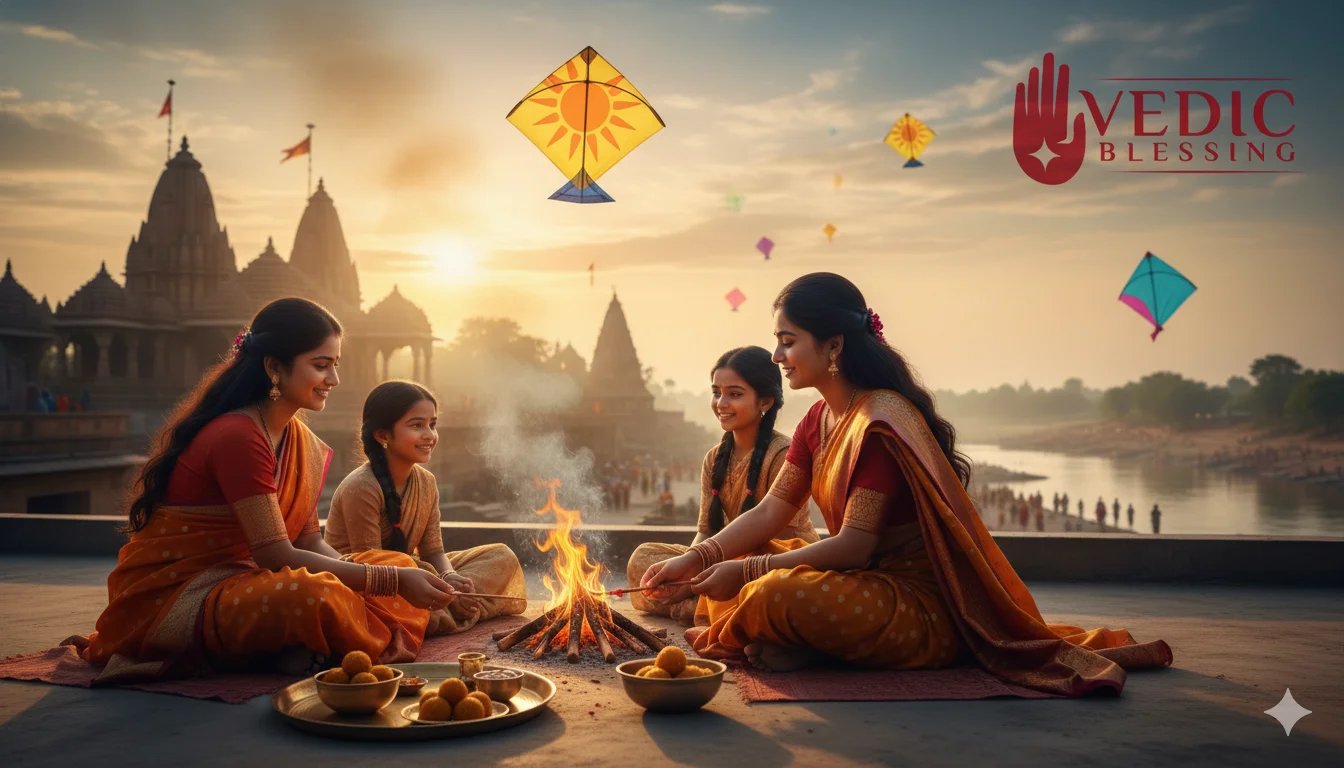
Beyond the Bonfire: Decoding Makar Sankranti's Spiritual Significance & Why it Matters
Beyond the Bonfire: The Spiritual Significance of Makar Sankranti & Why It Matters Today
Makar Sankranti is more than sugarcane, sesame sweets, rangoli, and colorful kites. It is one of the few Hindu festivals celebrated based on the solar calendar, marking the Sun’s transition into Makara Rasi (Capricorn). But beneath the celebrations lies a profound spiritual shift—one that influences energy, health, prosperity, and the soul’s journey.
In this blog, we decode the deeper meaning of Makar Sankranti, why it matters even today, and how this ancient wisdom still aligns with modern life.
What Exactly Is Makar Sankranti?
Makar Sankranti marks the Uttarayana, the six-month period when the Sun begins its northward journey. This phase is considered highly auspicious in Hindu dharma because:
- Divine energies flow abundantly toward Earth
- Spiritual practices yield quicker results
- The human mind becomes clearer, brighter, and more disciplined
This is why scriptures describe Uttarayana as a time of renewal, purification, and spiritual upliftment.
Why Do We Celebrate Makar Sankranti? The Spiritual Meaning
1. A Shift From Darkness to Light
With the Sun traveling north, days grow longer. Symbolically it represents:
- Moving from ignorance to wisdom
- From stagnation to growth
- From inner darkness to spiritual clarity
This natural transition is believed to energize the body and awaken the mind.
2. Honoring Surya Bhagavan
Surya is worshipped as
- The giver of life
- The remover of diseases
- The illuminator of knowledge
Traditional offerings like Ellu-Bella, Ariselu, Tilgul, and Sugarcane symbolize sharing warmth, sweetness, and harmony.
3. Cleansing of Body & Mind
Eating til (sesame) on this day is encouraged because:
- It purifies the body
- Boosts immunity
- Cleanses negative thoughts
Ancient texts say “Tilam Ushnam Kshipram Pavithram ”Karoti”—sesame burns impurities from within.
4. A Time for Charity—Dāna
Charity during Sankranti multiplies in benefit. Donating:
- Rice
- Til
- Clothing
- Food
- Cow feeding
- brings punya, prosperity, and mental peace.
5. A Festival of Gratitude
Makar Sankranti is deeply connected with agriculture. It is a thanksgiving to:
- Mother Earth
- Sun God
- Cattle
- Nature
Farmers celebrate the harvest, symbolizing abundance and blessings.
3. Why Kites, Bonfires, and Ritual Baths?
- Bonfires (Bhogi)—Represents burning old habits, negativity, and emotional baggage. A symbolic cleansing of the past.
- Kite Flying—It is believed that kite flying:
Exposes the body to sunlight
Improves health during winter
Sends prayers high into the sky
Kites also symbolize freedom and the rise of the soul.
3. Holy River Bath—Taking a dip in sacred rivers signifies:
Spiritual purification
Washing away past karmas
Invoking divine blessings
Why Makar Sankranti Still Matters Today?
Even in modern life, this festival holds deep relevance:
- Encourages gratitude for nature
- Promotes mental & emotional cleansing
- Helps reset personal goals
- Strengthens family bonding
- Connects us with ancient wisdom
- Most importantly, it reminds us that every soul deserves renewal and light.
Conclusion:
A Festival That Elevates the Soul. Makar Sankranti is not just another festival—it’s a cosmic event that awakens hope, prosperity, and spiritual clarity.
It invites us to:
- Release what no longer serves us
- Embrace new beginnings
- Strengthen our connection with the divine
If you wish to begin your Sankranti with divine blessings. Book Online Pujas & Blessings at www.vedicblessing.com
At www.vedicblessing.com you can book personalized blessings, pujas, and astrology consultations and receive authentic guidance from experienced Vedic priests—all from your home, online, at your preferred time. Start your spiritual journey with clarity, blessings, and positive energy.