Understanding Sankashti Hara Chaturthi: Significance, Benefits, and Vedic Insights
Sankashti Hara Chaturthi is observed on the fourth day (Chaturthi) after the full moon (Purnima) every month, specifically during the Krishna Paksha — the waning phase of the moon. The festival’s energy peaks in the month of Margashirsha (around December–January), when the celestial alignment makes it especially auspicious for invoking Lord Ganesha’s blessings.
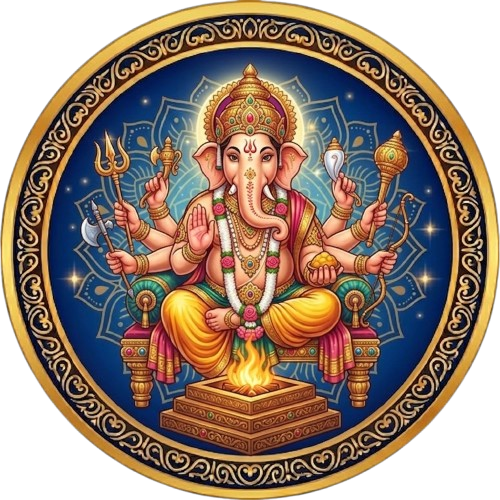
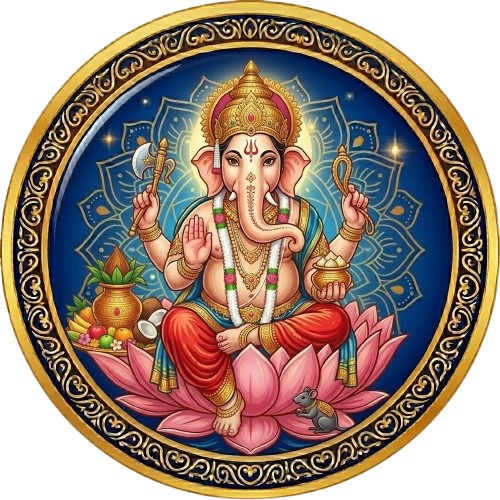
The day begins before sunrise, as devotees purify themselves through ritual baths and don fresh clothes to mark the occasion. They often craft or decorate idols of Ganesha with flowers, fruits, modaks, and durva grass — his most beloved offerings.
As twilight approaches, homes echo with chants of “Om Gan Ganapataye Namah.” The sighting of the moon marks the climax of the day, when devotees break their fast after offering prayers to the moon and to Lord Ganesha, symbolizing the removal of both inner and outer darkness.
The Significance of the Festival
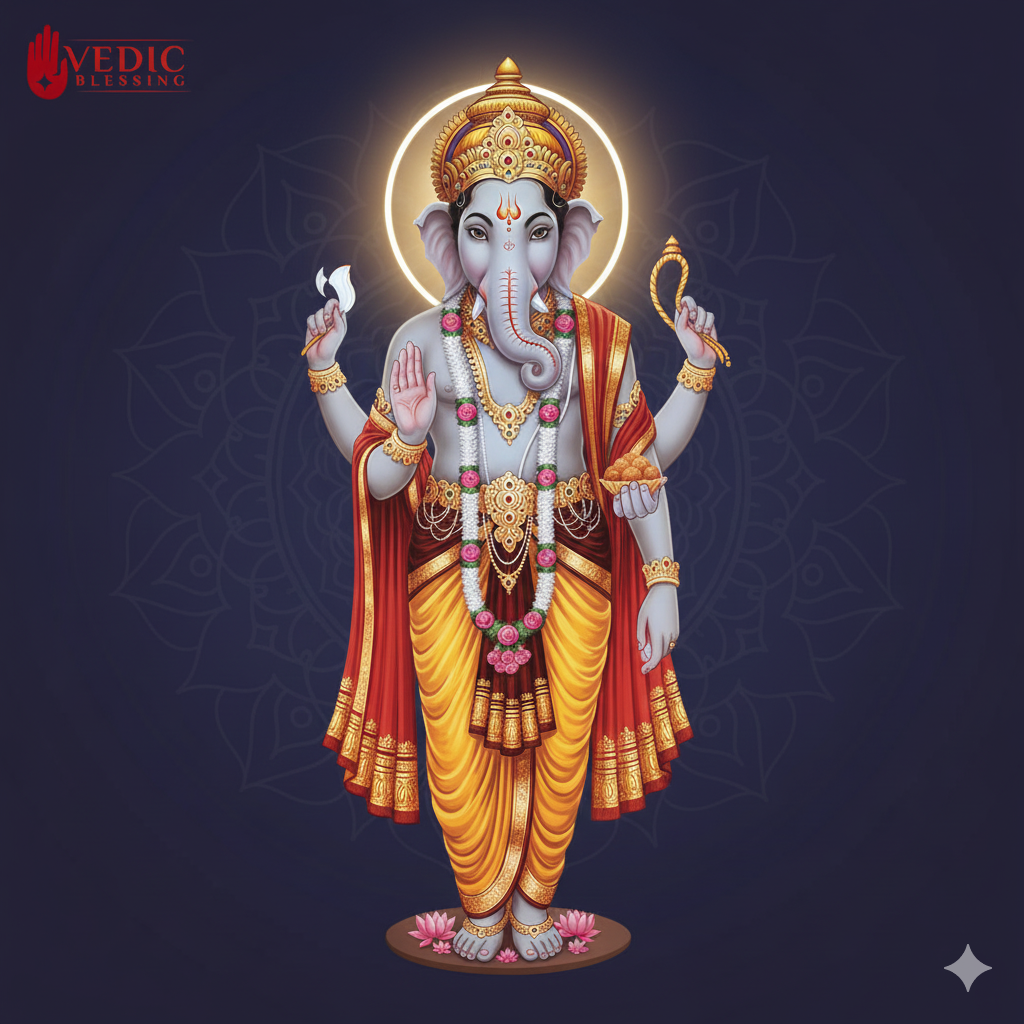
Sankashti Hara Chaturthi is not merely a festival — it’s a spiritual vow, a day of surrender and reflection. Lord Ganesha, also known as Vighnaharta (the remover of obstacles), embodies intelligence, clarity, and strength. In Hindu philosophy, he represents the cosmic force that clears the path for righteousness and knowledge.
The celebration on the fourth day of the waning moon signifies the balance between material life and spiritual awareness. By fasting, devotees symbolically remove impurities and distractions that cloud their minds. Through prayer, they invite divine wisdom and courage to face life’s challenges.
Ancient scriptures like the Skanda Purana and Ganesha Purana describe how observing Sankashti Vrat with devotion can absolve sins and fulfill heartfelt desires. Communities come together to chant Ganesha mantras, read the Sankashti Vrat Katha, and share stories of transformation, reinforcing the belief that faith has the power to change one’s destiny.
Benefits of Observing Sankashti Hara Chaturthi
The blessings of Sankashti Hara Chaturthi extend far beyond spiritual rewards. Devotees who observe this fast experience a holistic transformation encompassing the mind, body, and soul.
Spiritual Benefits:
- Strengthens one’s connection with the divine.
- Purifies the mind and enhances inner clarity.
- Removes obstacles that hinder personal and professional growth.
- Increases spiritual awareness and self-discipline.
Emotional Benefits:
- Promotes calmness and emotional stability.
- Reduces anxiety by fostering faith and surrender.
- Builds a sense of purpose and hope in challenging times.
Practical & Physical Benefits:
- Fasting detoxifies the body, improving metabolism and focus.
- Participation in group prayers strengthens social bonds.
- Encourages mindfulness, patience, and humility.
In essence, Sankashti Hara Chaturthi becomes a beautiful balance between devotion and well-being — a sacred reminder that inner peace is achieved through both discipline and faith.
Vedic Ashirvachanam and Its Modern Relevance
The Vedic Ashirvachanam, or blessings from ancient Vedic scriptures, hold timeless relevance even in our fast-paced modern lives. These teachings are not just religious expressions but practical guides for living with mindfulness, compassion, and balance.
During Sankashti Hara Chaturthi, invoking these ancient blessings connects devotees to the divine vibrations of Lord Ganesha. The Vedas emphasize three principles that deeply resonate with this festival:
- Satyam (Truth) – Living with integrity.
- Daya (Compassion) – Showing kindness to all beings.
- Shraddha (Faith) – Having unwavering belief in the divine order.
In today’s world of stress and uncertainty, these principles guide individuals toward peace and purpose. Performing Ganesha Puja, meditating on his form, or even reciting the simple Ganesha Gayatri Mantra — “Om Ekadantaya Vidmahe, Vakratundaya Dheemahi, Tanno Danti Prachodayat” — can fill one’s mind with focus and calm.
The teachings of Vedic Ashirvachanam encourage self-realization, humility, and the understanding that true success comes when one’s actions align with divine will.
FAQs about Sankashti Hara Chaturthi
1. When is Sankashti Hara Chaturthi celebrated?
It falls on the fourth day after the full moon every month. The most significant one, known as Angaraki Sankashti Chaturthi, occurs when this day falls on a Tuesday.
2. Can anyone observe the Sankashti fast?
Yes, anyone with faith in Lord Ganesha can observe this fast. It’s especially recommended for those seeking success, peace, and relief from difficulties.
3. What foods are allowed during the fast?
Devotees usually eat fruits, milk, or sabudana khichdi. The fast is broken only after sighting the moon and performing Ganesha Puja.
4. Is Sankashti Hara Chaturthi mentioned in scriptures?
Yes, it is referenced in several Puranas, including Skanda Purana and Ganapati Atharvashirsha, highlighting its spiritual importance.
Book your puja or vratham online at www.vedicblessing.com and connect with an experienced Vedic priest at your scheduled date and time. Receive complete guidance throughout the ritual—authentic, traditional, and from the comfort of your home.