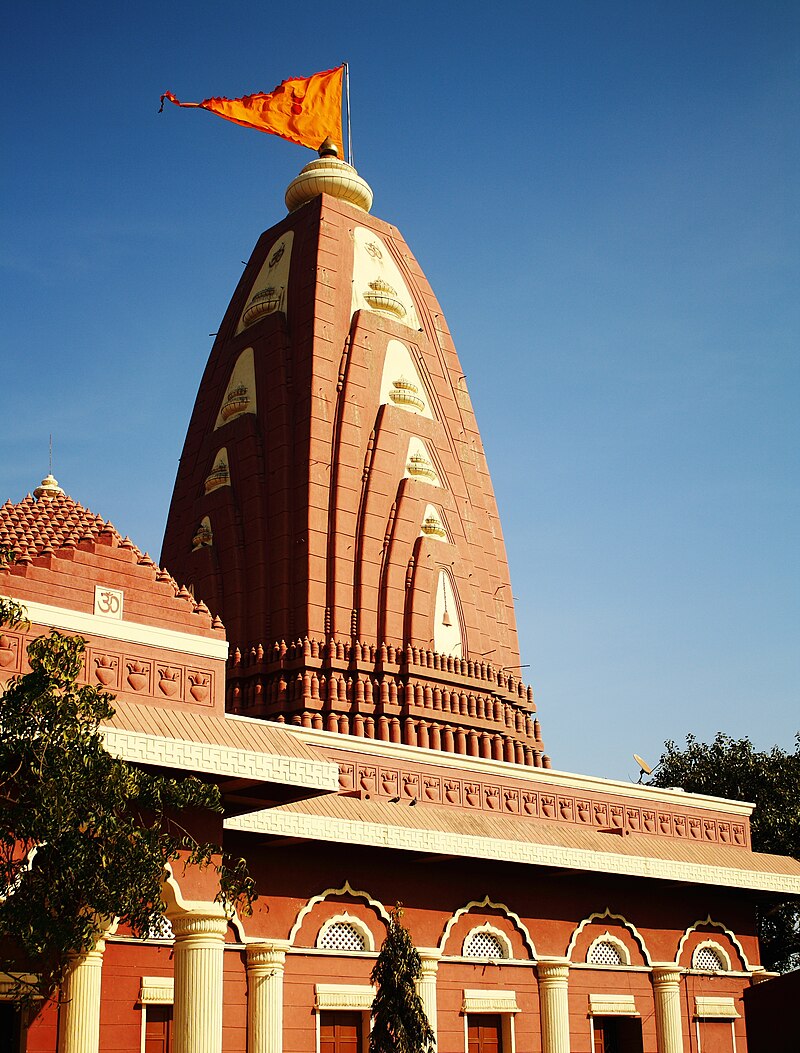
🔱 Jyotirlingas
Nageshwar Temple
नागेश्वर ज्योतिर्लिंग
About the Deity
The Nageshwar Linga located near Dwarka in Gujarat represents Shiva's manifestation as the supreme protector against all forms of snake-related afflictions and as the lord who dwells beyond fear and danger. The presiding deity is uniquely invoked as Nageshwar or Nageshwara, literally "Lord of the Serpents," reflecting Shiva's dominion over the serpent principle—both the literal venomous snakes and the spiritual serpent energy (kundalini) present within all beings. The linga is believed to be naturally formed and to contain within its manifestation a particularly concentrated protective power against snakes, poisons, and other forms of toxicity. The sacred shrine radiates a unique spiritual atmosphere that devotees describe as profoundly protective and reassuring, creating a perceptible field of safety and freedom from fear. The linga is worship with specific mantras and rituals designed to invoke protection against snake bites, poisoning, and other forms of sudden danger and harm. The presiding deity's association with snakes extends beyond literal serpents to encompass all forms of toxicity, malevolence, and dangerous influences—including psychological poisons, toxic relationships, and destructive thought patterns. The sanctum sanctorum maintains a spiritual environment that facilitates rapid processing and dissolution of fear-based patterns and the restoration of confidence and spiritual protection.
Mythology & Legend
The Nageshwar Linga originates from a profound narrative concerning the demon Daruka and his tragic captivity of countless human souls. According to the Skanda Purana, Shiva Purana, and regional mythology, in ancient times the powerful and malevolent demon Daruka, seeking to extend his dominion over all living beings, created an extraordinarily large prison constructed from magical enchantments and protected by armies of demonic forces. Into this prison, Daruka captured thousands upon thousands of righteous, virtuous, and innocent human beings, intending to either enslave them or drain their spiritual essence to enhance his own power. The imprisoned beings suffered terribly within the magic prison, their cries of desperation and their sincere prayers for liberation rising toward the celestial realms. The celestial beings and gods, unable to breach the magical protections surrounding Daruka's prison, appealed to Shiva for divine intervention. Shiva, eternally responsive to the sincere prayers of those suffering unjustly, manifested himself in his most terrible and protective form and moved to liberate the captive beings from their demonic bondage. Shiva traveled to Daruka's fortress and, through the sheer supremacy of his consciousness and power, obliterated the demon and shattered the magical prison, releasing all the captive souls to freedom and restoration. The location where this cosmic liberation occurred became sanctified as the Nageshwar shrine, with Shiva manifesting himself as the Nageshwar Linga to permanently commemorate the victory and to serve as an eternal symbol of his commitment to liberate all beings from captivity and bondage. The linga thus became established as a supremely protective shrine, capable of delivering freedom from all forms of bondage, captivity, and constraint—whether physical, emotional, psychological, or spiritual.
Kshetra Mahatmya — Significance
Nageshwar holds significant spiritual importance among the Jyotirlingas, located near the ancient city of Dwarka in Gujarat, a region steeped in profound spiritual and mythological significance. The Skanda Purana, Brahma Purana, and various texts extensively celebrate Nageshwar as a supreme protective shrine and a kshetra of extraordinary power for those seeking liberation from bondage and fear. The temple's proximity to Dwarka, the capital of Lord Krishna's kingdom and one of the four sacred dhams of Hindu pilgrimage, creates a unique convergence of Shiva's protective power with Krishna's divine grace and liberating compassion. The sanctuary is specifically designed with ritual structures dedicated to protection against snakes, poisons, and harmful influences, with priests maintaining specific knowledge of protective mantras and rituals that have been preserved across generations. The natural environment surrounding Nageshwar, including the coastal region and the proximity to the Arabian Sea, creates a unique geographical setting that enhances the linga's protective properties. The temple has maintained continuous worship traditions spanning over one thousand years, with evidence of various architectural renovations and expansions reflecting changing artistic and religious priorities. The presiding priesthood maintains rigorous standards of ritual practice and sacred knowledge, preserving protection rituals and spiritual practices that facilitate liberation from fear and bondage. The annual festivals and celebrations at Nageshwar draw thousands of pilgrims seeking the deity's protective blessings and assistance in overcoming obstacles and challenges. The temple's association with Dwarka, one of the most significant pilgrimage destinations in Hinduism, makes Nageshwar easily accessible to those undertaking the comprehensive pilgrimage to Gujarat's sacred shrines.
Blessings & Benefits
- Grants complete protection from Naga Dosha, Kaal Sarp Dosha, and Rahu-Ketu afflictions.
- Frees devotees from karmic debts related to harm caused to serpents in past lifetimes.
- Combined darshan with nearby Dwarkadhish Temple equals the merit of the full Char Dham yatra.
- Relieves unexplained obstacles in marriage, progeny, and financial progress.
- Blesses all sincere pilgrims with divine protection, prosperity, and spiritual liberation.
Temple Location
22.2776, 68.9672
Visitor Information
🕐 Timings
5:00 AM - 9:00 PM
👗 Dress Code
Traditional Indian attire
🪔 Prasad
Prasad available
🎟 Entry
Free entry
🅿️ Parking
Available
♿ Access
Accessible
Best Time to Visit
📅 Best Day
Monday, Maha Shivaratri, Nag Panchami
🗓 Months
Shravan, Kartik, Maha Shivaratri
🌤 Season
Winter (November to February)
How to Reach
🚂 Railway
Dwarka Station (17 km)
✈️ Airport
Jamnagar Airport (145 km)
📮 Address
Nageshwar Road, Dwarka, Gujarat 361335
Major Festivals
🎉 Maha Shivaratri
🎉 Nag Panchami
🎉 Shravan Somvar