🌸 Shakti Peethas
Mahalakshmi Temple (Kolhapur)
महालक्ष्मी मंदिर
About the Deity
Mahalakshmi at Kolhapur, Maharashtra, represents the abundance-bestowing, prosperity-granting, beauty-radiating aspect of the Divine Mother, honoring the location where the left eye of Sati fell to earth. She is also known locally as Ambabai, the mother of abundance and fertility, occupying one of the most significant pilgrimage sites in all of western India. Mahalakshmi in the Kolhapur tradition is depicted in magnificent iconography as a golden-complexioned goddess, radiating light and blessings, adorned with jewels of supreme value, crowned with a jeweled diadem, and holding in her multiple hands symbols of prosperity, protection, and blessing. The goddess sits in a state of supreme authority and grace, emanating a presence that manifests as attraction, magnetism, and the universal power that draws all good things toward her devotees. Unlike the ascetic forms of the goddess worshipped at some Shakti Peethas, Mahalakshmi at Kolhapur explicitly celebrates material abundance, sensual beauty, earthly prosperity, and the enjoyment of life's blessings as direct expressions of divine grace. The left eye, the eye of left-hand tantra and subtle powers, associates Mahalakshmi with the intuitive, emotional, and receptive aspects of divine power. She represents the goddess's capacity to nurture all existence, to grant wishes, to multiply blessings infinitely, and to establish right relationship between the soul and material prosperity. Mahalakshmi is recognized as the supreme source of all wealth—economic, spiritual, emotional, and karmic. Her worship encompasses the understanding that material prosperity, when rightly pursued and justly obtained, is not opposed to spiritual development but an essential support for the full flourishing of human potential and the proper performance of dharmic duties.
Mythology & Legend
The Mahalakshmi mythology of Kolhapur is rooted in the cosmic event of Sati's sacrifice and enriched through the unique traditions and legends specific to this sacred site. When Sati immolated herself in Daksha's sacrificial fire, her divine essence could not be contained or destroyed—it dispersed across the sacred landscape of Bharat Varsha, and at the location of present-day Kolhapur in Maharashtra, her left eye fell and transformed into Mahalakshmi, the abundance-bestowing mother. According to the Markandeya Purana, the Devi Bhagavata, and the Bhaktamala, when the goddess's eye fell at Kolhapur, the land itself became transformed—the surrounding region flourished with agriculture, commerce, and prosperity that extended in all directions. The local mythology describes how the goddess appeared in visions to the ancient kings and offered her protection and blessings to the kingdom, establishing Kolhapur as a major center of power and prosperity in the Deccan region. The sage and saint traditions of Kolhapur describe how the goddess has continuously blessed the faithful with unexpected windfalls, removal of poverty, and the granting of desires that fulfill both material and spiritual needs. The mythology emphasizes that at Kolhapur, unlike temples that focus exclusively on renunciation or asceticism, Mahalakshmi explicitly celebrates the householder's path, family life, the raising of children, economic security, and the righteous enjoyment of prosperity. The famous Kolhapur Mahalakshmi temple is described in the Bhaktamala as a place where even the celestial deities visit to receive blessings, acknowledging the supreme importance of Mahalakshmi's blessings in both divine and human realms. Local legends describe the goddess appearing to merchants, farmers, and householders in times of need, restoring them from poverty to abundance and establishing them in prosperity. The mythology includes the understanding that Mahalakshmi's eye is eternally observant—watching over all beings, assessing their needs, and bestowing blessings according to their worthiness and sincerity.
Kshetra Mahatmya — Significance
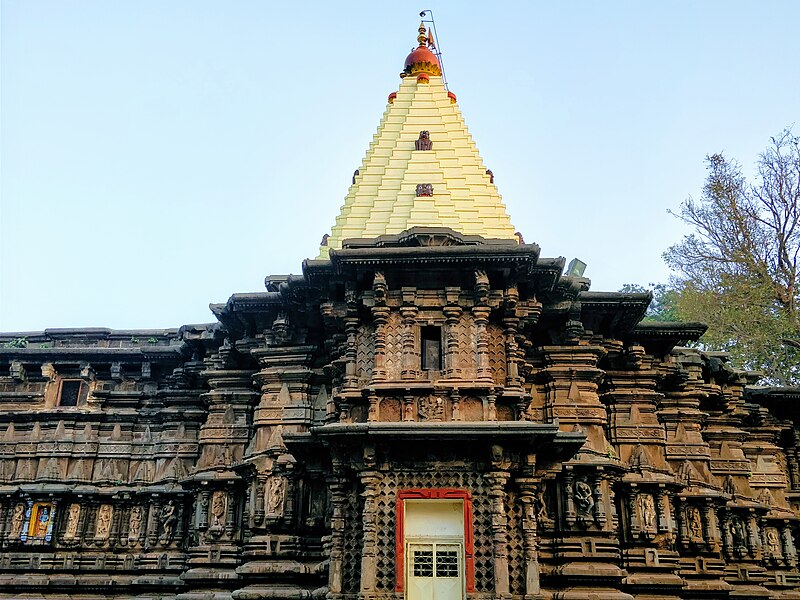
Mahalakshmi temple at Kolhapur holds supreme significance in Hindu sacred geography as documented in the Markandeya Purana, the Devi Bhagavata Purana, the Shakti Peetha traditions, and numerous regional texts emphasizing its extraordinary importance. The Markandeya Purana specifically describes Kolhapur Mahalakshmi as a paramount Shakti Peetha where the goddess grants direct darshan and bestows blessings of prosperity and abundance on sincere devotees. The geographical location of Kolhapur in Maharashtra, in the region historically known as the Deccan, places the temple at a strategic center of trade, culture, and political power—a position that has made it a major pilgrimage destination for centuries. Historical records document the temple's continuous existence dating back over a thousand years, with significant developments during the medieval period when various dynasties invested in its expansion and beautification. The temple's architecture represents a unique synthesis of northern and southern Hindu temple styles, reflecting Kolhapur's historical position as a cultural bridge between India's diverse regions. The annual Mahalakshmi festival, held in the autumn months, attracts hundreds of thousands of devotees and remains one of the most important celebrations in western India. The temple administration has maintained meticulous historical records, documenting the continuous flow of pilgrims and the countless accounts of miraculous blessings granted by the goddess. The temple's presiding priests represent lineages of spiritual authority and ritual expertise spanning centuries, maintaining the authentic worship practices and mantras specific to Mahalakshmi at Kolhapur. The sacred waters of the temple tank—the reservoir of water associated with the goddess—are believed to be especially blessed and to carry healing and purifying properties. The temple's location within the city of Kolhapur, rather than in an isolated location, reflects the principle that Mahalakshmi's blessings are meant to manifest within the context of human civilization and community life. The temple serves as an active center of commerce, pilgrimage, religious education, and the living practice of Shakti worship, influencing the spiritual culture of an entire region.
Blessings & Benefits
- The most powerful wealth-giving shrine in India — blesses devotees with abundance and prosperity.
- Removes financial difficulties, debts, and career obstacles from one's life.
- Blesses couples with marital harmony, happiness, and a prosperous family life.
- Granted as especially auspicious for businesses, new ventures, and those seeking financial stability.
- Showers the golden grace of Mahalakshmi on all who pray with devotion and gratitude.
Temple Location
16.6967, 74.2223
Visitor Information
🕐 Timings
4:30 AM - 10:00 PM
👗 Dress Code
Traditional attire mandatory. Saree for women, dhoti for men preferred.
🪔 Prasad
Shrikhand (sweet curd), Panchamrit
🎟 Entry
Free
🅿️ Parking
Available
♿ Access
Accessible
Best Time to Visit
📅 Best Day
Friday, Purnima, Navratri
🗓 Months
Navratri, Kirnotsav (March 21-23 and September 21-23)
🌤 Season
All seasons
How to Reach
🚂 Railway
Kolhapur Station (2 km)
✈️ Airport
Kolhapur Airport (8 km)
📮 Address
Mahadwar Road, Kolhapur, Maharashtra 416012
Major Festivals
🎉 Navratri
🎉 Kirnotsav
🎉 Lalita Panchami
🎉 Diwali