🪷 Divya Desams
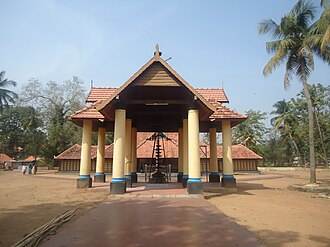
Moozhikalam (Thrikkakaramandapam) Temple
തൃക്കാക്കരഭഗവതി ക്ഷേത്രം
About the Deity
Thrikkakaramandapam Temple in Ernakulam, Kerala, enshrines the divine form of Vamana, Vishnu in the aspect of the cosmic dwarf whose three mighty strides encompass all existence. The moolavar depicts the deity in the iconic pose of cosmic expansion, his diminutive external form belying infinite internal power and wisdom. The unique presentation emphasizes the paradox of cosmic infinity expressing itself through apparent limitation and humility. The temple's Kerala-style architecture accommodates this distinctive iconography with artistic grace and spiritual sophistication. The temple's location on the banks of the Periyar River in Kochi (Cochin), Kerala's ancient port city, positions it within a geography of extraordinary historical and spiritual significance. The surrounding landscape of water, land, and vegetation creates a mandala reflecting the balance of cosmic elements represented through Vamana's manifestation. The temple's proximity to the famous Kochi Backwaters creates a unique sacred geography where water and land interact in constantly shifting configurations. The temple's significance extends particularly to the Kerala festival of Onam, the annual celebration commemorating Mahabali's reign and the cyclic return of cosmic principles of justice and equality. Vamana's three-stride manifestation, which resulted in Bali's benevolent reign over the earth, becomes the spiritual foundation for Onam's celebration of universal abundance and harmonious social order.
Mythology & Legend
The sthala purana of Thrikkakaramandapam emphasizes Vamana's unique role in Kerala's spiritual and cultural consciousness. The narrative of the cosmic dwarf who vanquished the asura king Bali through three cosmic strides holds special significance in Kerala, where Onam celebrates Bali's benevolent reign. The mythology emphasizes that true greatness emerges not from size or external power but from alignment with cosmic principles and divine will. The legend speaks of how Vamana's three strides reorganized cosmic order while simultaneously elevating the asura Bali to a position of eternal benediction and honor. Rather than mere vanquishment, the narrative celebrates the transformation of the ego-driven into the spiritually aligned. Bali's eventual blessing to rule the earth for one day annually during Onam represents the principle that even those who initially resist divine will ultimately receive grace and elevation through sincere devotion. The mythology celebrates the paradox wherein weakness becomes strength, limitation becomes infinite potential, and apparent defeat becomes ultimate triumph. Pilgrims report experiencing profound spiritual reversals wherein their previous understanding of power, success, and achievement transforms into new recognition of authentic values. The accumulated spiritual power of generations of contemplative pilgrims has established Thrikkakaramandapam as a location where consciousness restructures around divine principles.
Kshetra Mahatmya — Significance
Thrikkakaramandapam Temple holds unique significance within Kerala's spiritual geography and within the broader landscape of Divya Desams. The temple's spiritual authority derives from its celebration of Vamana's role in establishing cosmic order while simultaneously blessing the earth with benevolent rule. The temple's position in Kochi establishes it as a central sanctuary within Kerala's sacred geography. The temple's historical prominence is documented in Kerala chronicles and Tamil literature. The Chera kings and subsequent Kerala rulers recognized the temple's importance and extended patronage. The temple's position within Kochi's ancient port created opportunities for pilgrimage from distant lands, making it a center of inter-cultural spiritual exchange. The accumulated devotion of centuries has established this as a supreme center of Kerala's distinctive Vaishnava spirituality. The unique rituals celebrating Vamana's three-stride manifestation include ceremonies emphasizing the reorganization of cosmic order and the elevation of sincere beings toward spiritual blessing. The temple's brahmins have preserved Kerala's unique Vaishnava traditions and the wisdom of integrating spiritual principles with social harmony. The Onam festival, with its elaborate celebrations of abundance, equality, and divine justice, becomes a comprehensive spiritual expression of Vamana's cosmic significance. Scriptural texts identify Thrikkakaramandapam as a location where sincere devotion receives divine grace related to the restructuring of consciousness around authentic principles. The deity's grace flows particularly to those seeking to overcome ego-based limitations and align with cosmic principles of justice and universal harmony.
Blessings & Benefits
- Blesses devotees with prosperity, abundance, and victory in all endeavours.
- Granted as the divine origin of Onam — Kerala's most beloved harvest festival of joy and unity.
- Fulfills sincere prayers for cosmic balance, humility, and spiritual alignment with divine will.
- Removes ego, arrogance, and pride — replacing them with genuine strength and wisdom.
- Blesses sincere pilgrims with the grace of Vamana — the avatar who measured the universe in three strides.
Temple Location
10.0272, 76.3548
Visitor Information
🕐 Timings
5:30 AM - 12:00 PM, 5:00 PM - 8:00 PM
👗 Dress Code
Traditional Kerala attire
🪔 Prasad
Prasadam offered
🎟 Entry
Free
🅿️ Parking
Available
♿ Access
Accessible
Best Time to Visit
📅 Best Day
Ekadashi, Thursday, Onam
🗓 Months
Onam (August-September), Vishu
🌤 Season
All seasons
How to Reach
🚂 Railway
Ernakulam South Station (15 km)
✈️ Airport
Cochin International Airport (15 km)
📮 Address
Thrikakara, Kakkanad, Ernakulam District, Kerala 682021
Major Festivals
🎉 Onam (10-day festival)
🎉 Vishu
🎉 Vamana Jayanti