🪷 Divya Desams
Muktinath Temple
मुक्तिनाथ मंदिर
About the Deity
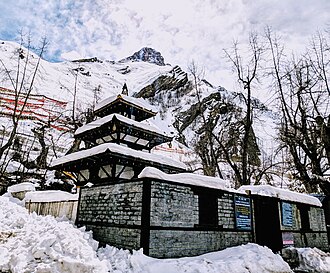
Muktinath Temple in Mustang, Nepal, represents a unique manifestation of Vishnu as Muktinathar, the supreme bestower of liberation, and stands alone as the only Divya Desam located outside the geographical boundaries of India proper. The moolavar depicts Vishnu in his form as the ultimate liberator, whose grace grants final emancipation from the cycle of birth and death. The temple's distinctive Himalayan alpine setting, positioned at extreme elevation on the Annapurna circuit, creates a sacred geography where thin air and rarefied atmosphere facilitate direct communion with transcendent reality. The temple's architecture represents a unique synthesis of Hindu and Buddhist elements, reflecting the spiritual pluralism of the Himalayan region. The structure rises majestically at 3,710 meters elevation, where the thin Himalayan air and austere landscape create an environment of extraordinary spiritual intensity. The surrounding mountain peaks, perpetually snow-capped and towering toward the heavens, form a natural mandala amplifying the temple's spiritual power. The presence of 108 waterfalls cascading from surrounding peaks creates a landscape of perpetual purification and blessing. The temple's unique position bridging Hindu and Buddhist traditions reflects a deeper spiritual truth—that ultimate liberation transcends sectarian boundaries and remains accessible through multiple authentic pathways. Muktinath's universal aspect as the bestower of liberation makes it a destination for sincere seekers from diverse traditions pursuing final emancipation.
Mythology & Legend
The sthala purana of Muktinath emphasizes the deity's role as Vishnu in his ultimate aspect as the supreme giver of moksha (liberation). According to sacred narratives, Muktinathar manifested in this Himalayan location to grant direct liberation to all sincere seekers who undertake the sacred pilgrimage to this remote and difficult terrain. The journey itself becomes the spiritual practice through which seekers purify accumulated karma and approach final emancipation. The mythology celebrates liberation as the ultimate blessing transcending all other gifts and achievements. The temple's location at extreme altitude, accessible only through arduous pilgrimage through some of the world's most challenging terrain, symbolizes the demanding nature of serious spiritual pursuit. The journey itself, with its physical hardships and spiritual challenges, becomes a comprehensive transformative practice preparing the soul for ultimate union with divine reality. Legends speak of miraculous divine interventions wherein seekers approaching final death report visions of Muktinathar's form. The temple is said to be a location where the veil between earthly existence and transcendent reality becomes exceptionally thin, permitting direct perception of ultimate reality. Pilgrims report extraordinary spiritual experiences and profound mystical states within the temple's sacred precincts. The accumulated spiritual power of countless generations of seekers pursuing ultimate liberation has made Muktinath one of Hindu sacred geography's supreme locations for final emancipation.
Kshetra Mahatmya — Significance
Muktinath Temple holds unique significance as the sole Divya Desam located outside India's political boundaries, yet remaining integral to the sacred geography of Hindu pilgrimage. The temple's spiritual authority derives from its identification as the supreme location for obtaining final liberation from the cycle of birth and death. The temple's position on the Annapurna circuit within the Himalayan range amplifies its spiritual potency through the sacred geography of the world's highest mountains. The temple's historical records document its significance across centuries of pilgrimage traditions. Buddhist and Hindu pilgrims have journeyed to Muktinath since ancient times, recognizing it as a location of extraordinary spiritual power. The temple has attracted saints, yogis, and advanced spiritual practitioners throughout history. The accumulated devotion of countless seekers pursuing ultimate emancipation has created a spiritual field of exceptional potency at this remote location. The unique rituals celebrating Muktinath's role as the bestower of liberation include meditation practices and sacred bathing in the 108 natural water sources cascading from surrounding peaks. The temple's brahmins have preserved authentic traditions of worship suited to the Himalayan environment and the elevation's demands on human physiology. The pilgrimage itself, with its multiple stages and spiritual challenges, functions as a comprehensive purification practice. Scriptural texts identify Muktinath as the ultimate location where sincere seekers approaching final emancipation receive direct divine grace. The deity's blessing flows particularly abundantly to those nearing the completion of their spiritual journey and ready for final liberation. The temple represents the culmination of the 108 Divya Desams, serving as the supreme destination for those whose journey toward ultimate truth has matured sufficiently for final transformation.
Blessings & Benefits
- Grants moksha and liberation — the supreme blessing of Muktinathar.
- A bath in the 108 waterspouts here washes away the burdens of an entire lifetime.
- Granted as the only Divya Desam outside India — its universal reach transcends all boundaries.
- Blesses Hindu and Buddhist pilgrims alike with peace, clarity, and spiritual liberation.
- Blesses sincere pilgrims with the Himalayan grace of Muktinathar — the Lord who grants final liberation.
Temple Location
28.8167, 83.8731
Visitor Information
🕐 Timings
6:00 AM - 6:00 PM
👗 Dress Code
Traditional attire. Cold weather clothing essential.
🪔 Prasad
Prasad offered
🎟 Entry
Free (small entry fee for the area)
🅿️ Parking
Limited
♿ Access
Not accessible for mobility-impaired (high altitude trekking required)
Best Time to Visit
📅 Best Day
Ekadashi, Janmashtami, Full Moon
🗓 Months
June to November (accessible season)
🌤 Season
Summer and Autumn (May to November)
How to Reach
🚂 Railway
Kagbeni is nearest village; Jomsom (18 km, accessible by flight)
✈️ Airport
Jomsom Airport (18 km)
📮 Address
Muktinath, Mustang District, Nepal
Major Festivals
🎉 Janmashtami
🎉 Muktinath Parikrama