🪷 Divya Desams
Naimisharanya Chakratirtha Temple
नैमिषारण्य चक्रतीर्थ
About the Deity
Naimisharanya Chakratirtha Temple in Sitapur, Uttar Pradesh, enshrines the divine form of Devadhiraj, Vishnu in his aspect as the supreme blessing bestower at the most ancient forest pilgrimage center. The moolavar depicts the deity in benevolent form, his divine presence radiating from what is traditionally identified as one of the world's most ancient sacred forests. The temple's location within Naimisharanya (the wheel-shaped forest) creates a sacred geography said to predate even the classical Hindu pilgrimage network. The deity's positioning at this primordial sacred site emphasizes Vishnu's eternal presence throughout the vast sweep of Hindu spiritual history. The temple's architecture maintains ancient design principles suited to its position within a forest environment. The sanctum rises from the sacred landscape, maintaining harmony with its natural surroundings. The presence of the Gomti River within the forest creates ritual bathing spaces integral to the pilgrimage experience. The temple complex includes multiple subsidiary shrines scattered throughout the forest, transforming the entire landscape into a pilgrimage mandala. Naimisharanya's traditional identification as one of the world's most ancient forest pilgrimage centers gives this temple extraordinary historical and spiritual significance. The forest itself, with its enormous circular form traditionally attributed to divine creation by Chakra (the divine disc), becomes part of the sacred geography blessing pilgrims. The temple's position within this primordial forest emphasizes spiritual continuity spanning millennia of unbroken devotional tradition.
Mythology & Legend
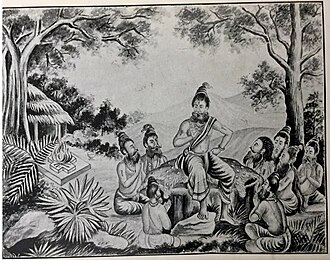
The sthala purana of Naimisharanya celebrates its identification as one of the world's most ancient sacred centers predating recorded history. According to the Skanda Purana and other sacred texts, Naimisharanya was created when Vishnu's sacred disc (Chakra) was thrown from the heavens, creating a circular forest of extraordinary spiritual potency. The mythology emphasizes that this location represents a cosmic center where celestial and terrestrial realms converge in especially intimate fashion. The legend speaks of Devadhiraj (the king of devas) manifesting in this location to bless all sincere seekers approaching the sacred forest. The mythology celebrates Naimisharanya as a location of incomparable spiritual power where sincere devotion receives comprehensive divine response. The forest itself is understood as a visible expression of cosmic consciousness, with each tree and stream participating in the sacred network radiating blessing. The Skanda Purana describes how the sages assembled at Naimisharanya to listen to sacred teachings and engage in profound spiritual practices. The forest's tradition as a center of learning, wisdom-transmission, and spiritual practice extends back beyond recorded history. Local legends speak of countless divine manifestations and miraculous interventions wherein Devadhiraj protected and blessed sincere pilgrims. The accumulated power of perhaps the world's longest-unbroken pilgrimage tradition has made Naimisharanya extraordinary in its spiritual potency.
Kshetra Mahatmya — Significance
Naimisharanya Chakratirtha Temple holds absolutely unique significance as the most ancient forest pilgrimage center within Hindu sacred geography. The temple's spiritual authority derives from its identification as predating even the classical Divya Desam network, representing continuity of spiritual practice spanning millennia of unbroken tradition. The temple's position at a cosmic center where terrestrial and celestial realms converge establishes it as a place of extraordinary spiritual power. The temple's historical prominence extends beyond recorded history into the depths of Hindu sacred memory. The Skanda Purana, Vayu Purana, and other texts repeatedly refer to Naimisharanya as a supreme pilgrimage center. The accumulated devotion of countless millions of seekers pursuing truth within this sacred forest has created a spiritual field of incomparable potency. The unbroken continuation of pilgrimage traditions spanning millennia testifies to the extraordinary endurance of spiritual tradition. The unique rituals celebrating Naimisharanya's primordial significance include forest circumambulation and bathing at the sacred Gomti River. The temple's brahmins have preserved authentic traditions of forest-based spirituality suited to the pilgrimage center's unique environment. The ancient protocol of sages gathering to discuss sacred teachings continues in modified form within the temple precincts. Scriptural texts identify Naimisharanya as the most ancient pilgrimage center, a location where sincere seekers connect with the deepest roots of Hindu spiritual tradition. The deity's blessing flows particularly to those seeking profound connection with the continuity of spiritual teaching spanning countless generations.
Blessings & Benefits
- Blesses devotees with profound spiritual knowledge, wisdom, and philosophical clarity.
- Granted as the navel of the Earth — all major Puranas were narrated and received here.
- Fulfills sincere prayers for ancestral liberation, karmic resolution, and spiritual progress.
- Removes confusion, spiritual doubt, and lack of direction from the devotee's life.
- Blesses sincere pilgrims with the ancient, luminous grace of Devadhiraj — the Lord of the sacred forest.
Temple Location
27.0556, 80.4781
Visitor Information
🕐 Timings
6:00 AM - 12:00 PM, 4:00 PM - 8:00 PM
👗 Dress Code
Traditional attire
🪔 Prasad
Prasadam offered
🎟 Entry
Free
🅿️ Parking
Available
♿ Access
Accessible
Best Time to Visit
📅 Best Day
Ekadashi, Amavasya, Purnima
🗓 Months
Kartik, Makar Sankranti
🌤 Season
All seasons
How to Reach
🚂 Railway
Sitapur Station (25 km)
✈️ Airport
Chaudhary Charan Singh Airport, Lucknow (90 km)
📮 Address
Naimisharanya, Sitapur District, Uttar Pradesh 261001
Major Festivals
🎉 Makar Sankranti
🎉 Kartik Purnima
🎉 Panchakroshi Yatra