Shravan Masam Importance and Significance: Rituals, Fasting and Spiritual Benefits
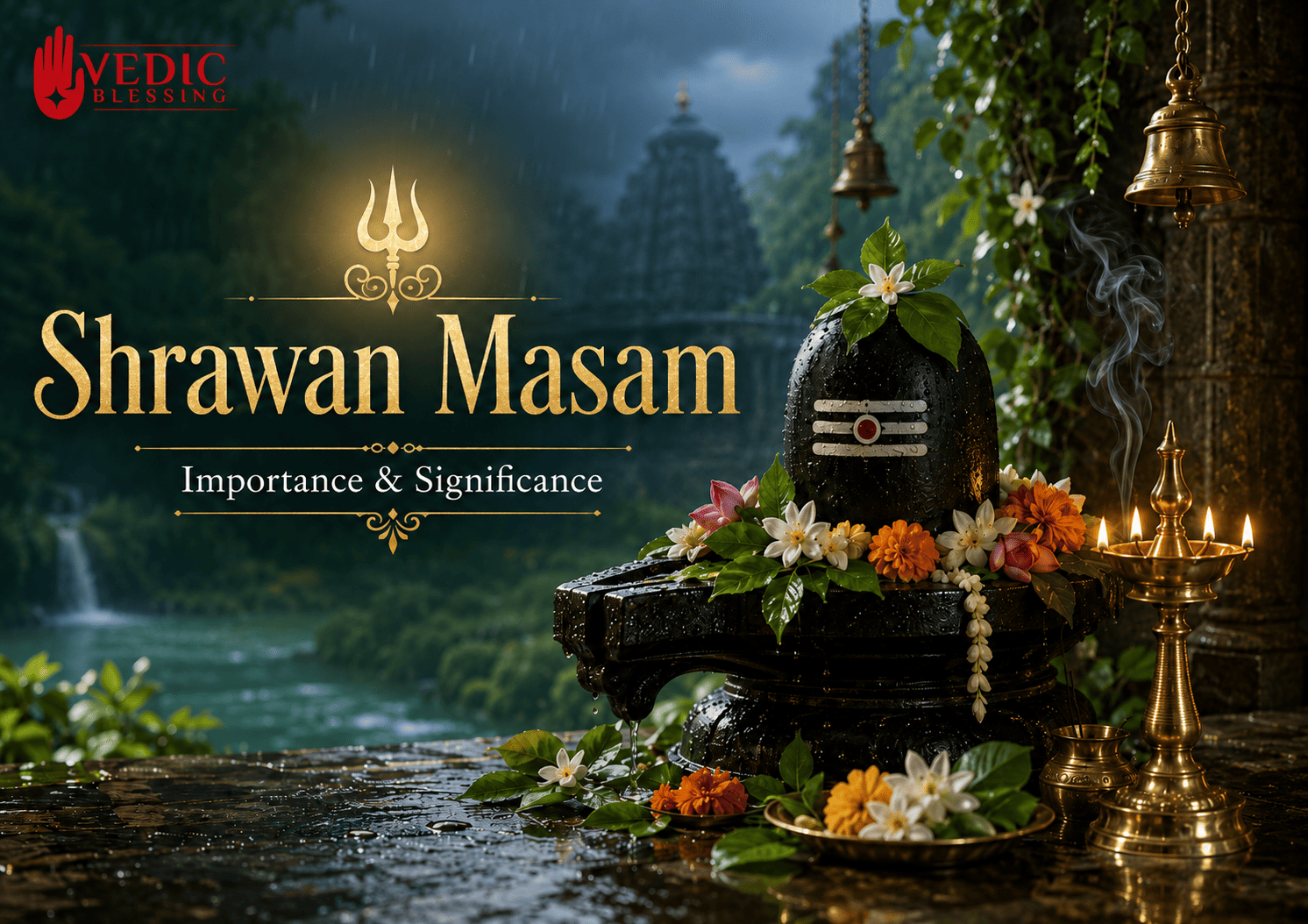
Shravan Masam, also known as Sawan Month, is one of the most sacred months in the Hindu calendar. This auspicious month is primarily dedicated to Lord Shiva and is observed through fasting, Abhishekam, mantra chanting, charity, and devotional practices.
Shravan Masam gives devotees an opportunity to strengthen their faith, practise self-discipline, and create a peaceful spiritual atmosphere at home.
What Is Shravan Masam?
Shravan Masam is the fifth month of the Hindu lunar calendar. It generally falls during July and August, although the exact dates may differ according to regional calendars and traditions.
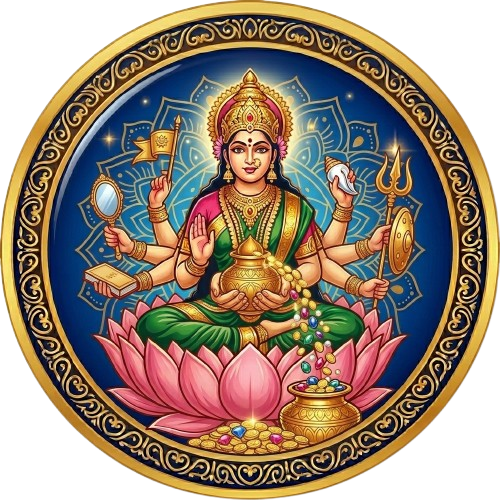
The month is associated with Shravana Nakshatra and is considered highly auspicious for worshipping Lord Shiva, Goddess Parvati, Goddess Lakshmi, and Lord Vishnu.
Why Is Shravan Masam Important?
Shravan Masam is considered a period of spiritual purification, devotion, and positive transformation.
According to Hindu tradition, during Samudra Manthan, a dangerous poison called Halahala emerged. Lord Shiva consumed the poison to protect creation and held it in his throat, becoming known as Neelkanth.
Devotees therefore offer water, milk, bilva leaves, flowers, and sacred Abhishekam items to Lord Shiva during Shravan as an expression of gratitude and devotion.
The month also encourages devotees to reduce negative habits, control anger, practise charity, and spend more time in prayer.
When Is Shravan Masam Observed?
Shravan Masam is observed during the Hindu lunar month of Shravan, usually between July and August.
The dates may vary depending on whether a family follows the Amanta or Purnimanta calendar. Regional Panchang traditions should therefore be considered while selecting dates for pujas and vrathams.
Mondays during this month, known as Shravan Somvar, are especially important for Lord Shiva worship.
Who Can Observe Shravan Masam?
Anyone can observe Shravan Masam, regardless of age or location.
Married couples may pray for family harmony and well-being. Unmarried devotees may worship Lord Shiva and Goddess Parvati for guidance and a suitable life partner. Families may perform pujas for peace, prosperity, health, and spiritual strength.
People who cannot observe strict fasting may participate through prayer, mantra chanting, charity, or simple sattvic food.
Where Can Shravan Masam Puja Be Performed?
Shravan Masam pujas may be performed:
- At home
- In a Shiva temple
- At a sacred pilgrimage location
- Through online priest guidance
- Through a personalized temple Sankalpa service
- Devotees living outside India can also participate through live online pujas or recorded temple services.
Faith and sincerity are more important than location.
How Is Shravan Masam Observed?
Shravan Masam can be observed through simple or elaborate devotional practices.
A simple daily routine may include:
- Taking an early morning bath
- Cleaning the puja area
- Lighting a lamp
- Offering water and bilva leaves to Lord Shiva
- Chanting “Om Namah Shivaya”
- Reading sacred texts
- Eating simple sattvic food
- Avoiding anger, harsh speech, and negative habits
- Helping people in need
- Spending a few minutes in meditation
Even a simple prayer offered with devotion is considered meaningful.
Important Days During Shravan Masam
Shravan Somvar
Mondays during Shravan are dedicated to Lord Shiva. Devotees observe fasting, perform Shiva Abhishekam, chant mantras, and visit temples.
Mangala Gauri Vratham
This vratham is generally observed on Tuesdays by married women for marital harmony, family welfare, and the well-being of their spouse.
Shravan Fridays
Fridays are considered auspicious for worshipping Goddess Lakshmi and Goddess Gauri. Devotees pray for prosperity, happiness, and household harmony.
Varalakshmi Vratham
Varalakshmi Vratham is widely observed in South India. Goddess Varalakshmi is worshipped for health, prosperity, family unity, and auspiciousness.
Nag Panchami
Nag Panchami is dedicated to Nag Devatas. Devotees pray for protection, family welfare, and harmony with nature.
Shravan Purnima
Shravan Purnima is associated with Raksha Bandhan, Upakarma, sacred-thread ceremonies, and special Vedic rituals, depending on regional tradition.
Which Pujas Are Best During Shravan Masam?
Shiva Abhishekam
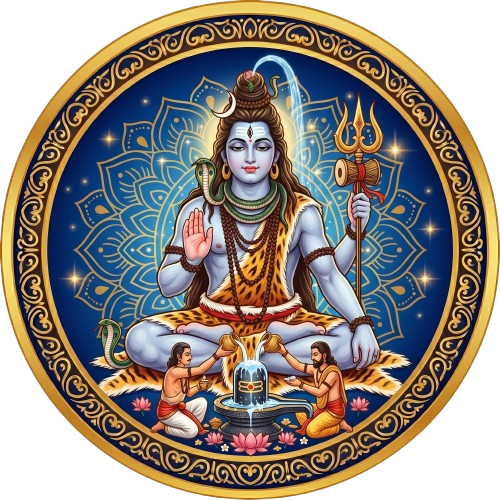
Shiva Abhishekam is performed by offering water, milk, honey, curd, sandalwood, and bilva leaves to the Shiva Lingam.
Rudrabhishekam
Rudrabhishekam is performed with Sri Rudram chanting and sacred offerings. Devotees seek peace, protection, courage, and spiritual strength.
Maha Mrityunjaya Homam
This Homam is traditionally performed for strength, protection, healing prayers, and relief from fear.
Varalakshmi Puja
Varalakshmi Puja is performed for prosperity, family well-being, and divine grace.
Satyanarayana Vratham
Sri Satyanarayana Vratham may be performed during auspicious days of Shravan for gratitude, prosperity, and family welfare.
How Should Shravan Somvar Fasting Be Observed?
Fasting practices differ according to family tradition and personal health.
Some devotees observe a complete fast, while others consume fruits, milk, nuts, or one simple sattvic meal.
Devotees commonly avoid:
- Non-vegetarian food
- Alcohol and tobacco
- Onion and garlic, depending on tradition
- Excessively spicy or processed food
- Negative speech and unnecessary arguments
Pregnant women, elderly people, children, and individuals with medical conditions should avoid strict fasting without professional medical guidance.
What Are the Benefits of Shravan Masam Worship?
According to Hindu belief, sincere worship during Shravan Masam may support:
- Mental peace
- Spiritual discipline
- Family harmony
- Positive thinking
- Courage during difficult situations
- Greater devotion and gratitude
- Emotional balance
- Connection with family traditions
- A peaceful atmosphere at home
The deeper purpose of Shravan worship is inner transformation rather than only material fulfilment.
Which Mantras Can Be Chanted During Shravan Masam?
Panchakshari Mantra
Om Namah Shivaya
This mantra may be chanted 11, 21, or 108 times daily.
Maha Mrityunjaya Mantra
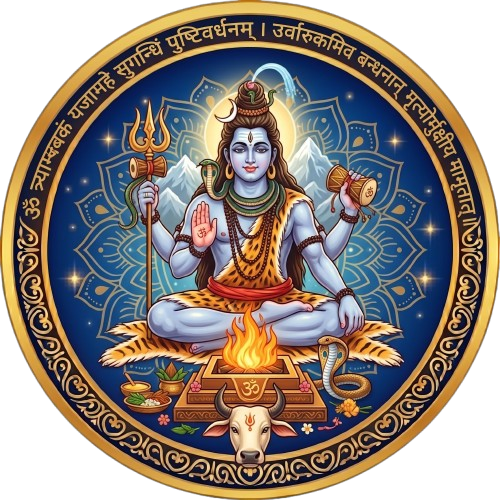
Om Tryambakam Yajamahe
Sugandhim Pushtivardhanam
Urvarukamiva Bandhanan
Mrityor Mukshiya Maamritat
This mantra is traditionally chanted for strength, protection, and freedom from fear.
How Can People Living Abroad Observe Shravan Masam?
Devotees living abroad can observe Shravan Masam through:
- Online priest-guided pujas
- Live video Sankalpa services
- Temple Abhishekam performed in their name
- Recorded puja sessions
- Daily mantra chanting at home
- Virtual participation with family members
An experienced priest can guide the devotee according to their location, language, time zone, and family tradition.
Celebrate Shravan Masam with Vedic Blessing
Vedic Blessing helps devotees remain connected with sacred traditions through experienced Hindu priests and personalized puja guidance.
You can book:
- Shiva Abhishekam
- Rudrabhishekam
- Maha Mrityunjaya Homam
- Varalakshmi Vratham
- Mangala Gauri Puja
- Satyanarayana Vratham
- Personalized Archana
- Online priest guidance
Pujas may be arranged according to your preferred date, time zone, language, and spiritual requirement.
Visit VedicBlessing.com to book your Shravan Masam puja and receive guidance from an experienced priest.
Frequently Asked Questions
1. What is the main significance of Shravan Masam?
Shravan Masam is dedicated primarily to Lord Shiva and is considered auspicious for prayer, fasting, purification, charity, and spiritual growth.
2. Why are Mondays important during Shravan?
Mondays are dedicated to Lord Shiva. Devotees observe Shravan Somvar through fasting, Shiva Abhishekam, temple visits, and mantra chanting.
3. Is fasting compulsory during Shravan Masam?
No. Fasting is a personal devotional practice. Devotees may instead observe the month through prayer, sattvic food, charity, and mantra chanting.
4. Can Shravan Masam puja be performed at home?
Yes. A simple puja can be performed by lighting a lamp, offering water and bilva leaves, and chanting “Om Namah Shivaya.”
5. Which puja is best during Shravan Masam?
Shiva Abhishekam and Rudrabhishekam are among the most commonly performed rituals. The appropriate puja depends on the devotee’s spiritual requirement and family tradition.
6. Can unmarried people observe Shravan Somvar?
Yes. Unmarried devotees may observe Shravan Somvar for spiritual strength, clarity, and prayers for a suitable life partner.
7. Can people living abroad perform Shravan pujas?
Yes. Devotees can participate through online priest guidance, live temple pujas, personalized Sankalpa services, or recorded sessions.
8. What should be avoided during Shravan Masam?
Devotees generally avoid non-vegetarian food, alcohol, tobacco, anger, harsh speech, and negative habits.
Conclusion
Shravan Masam is a sacred period of devotion, discipline, and inner renewal. Through Shiva worship, fasting, mantra chanting, charity, and sattvic living, devotees can experience greater peace and spiritual connection.
The rituals do not need to be elaborate. A sincere prayer, a simple offering, and a compassionate heart can make Shravan Masam deeply meaningful.