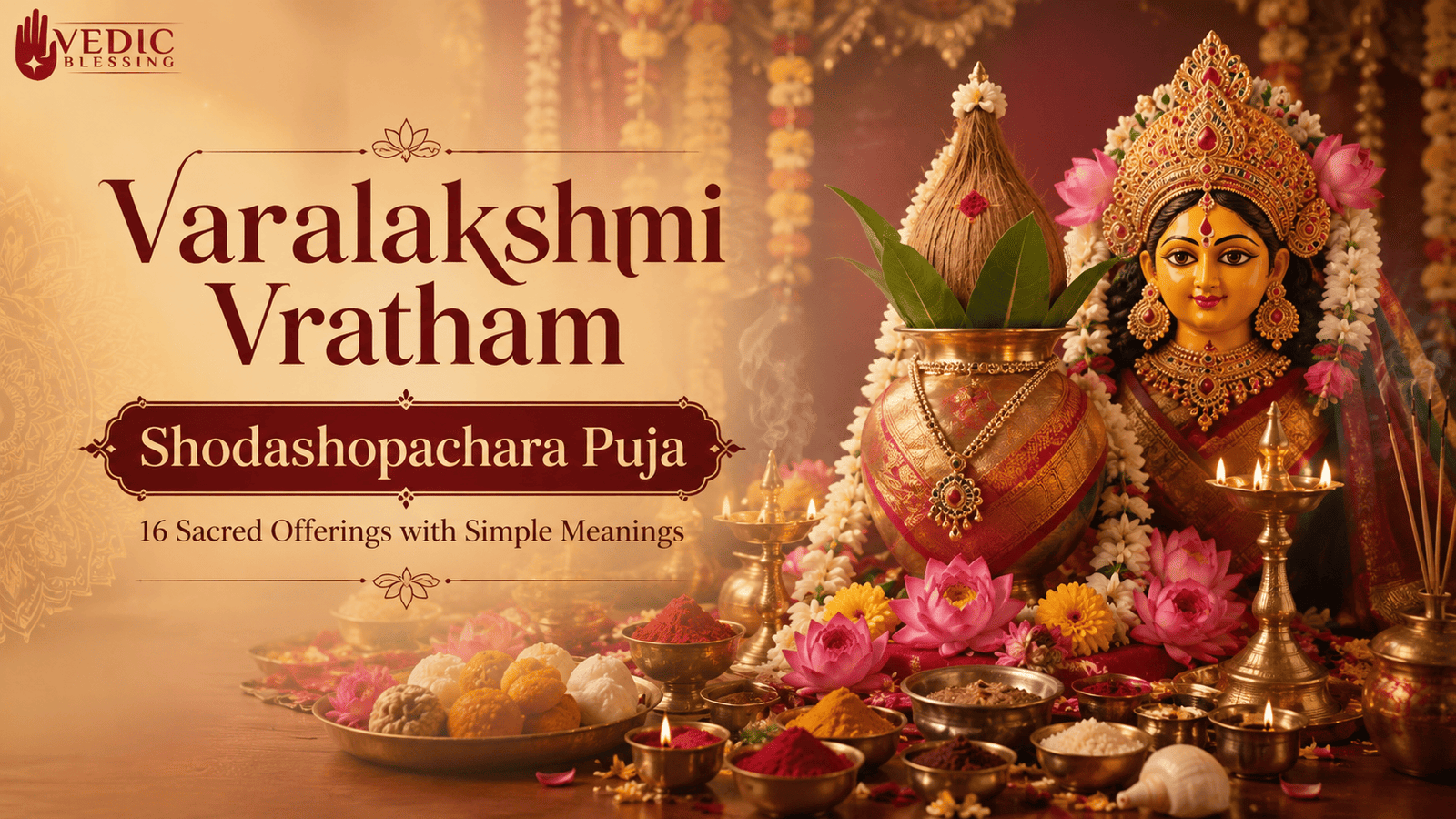
Varalakshmi Vratham Shodashopachara Puja: 16 Sacred Offerings with Simple Mantras and Meanings
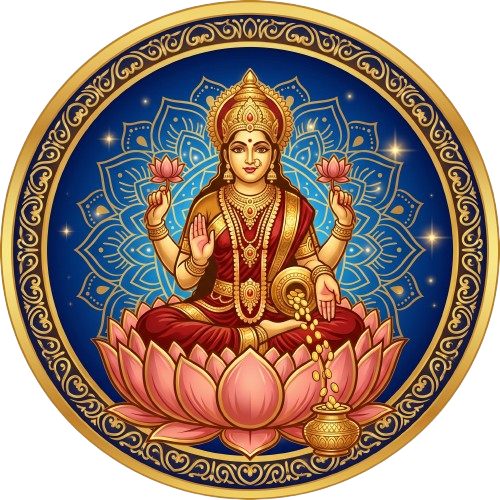
Varalakshmi Vratham is a sacred occasion to worship Goddess Varalakshmi, the divine bestower of prosperity, harmony, courage, wisdom, good health, and family well-being.
In our previous guide, “Varalakshmi Vratham Slokas and Their Meanings,” we shared important prayers that devotees can chant during the Vratham. In this continuation, let us understand Shodashopachara Puja, the traditional sixteen-step worship offered to Goddess Varalakshmi.
What Is Shodashopachara Puja?
“Shodasha” means sixteen, and “Upachara” means a respectful service or offering.
In Shodashopachara Puja, the deity is welcomed and worshipped with sixteen sacred offerings, just as an honored divine guest would be received with love, care, and devotion.
Each offering may appear simple, such as water, flowers, fragrance, light, or food. However, its deeper meaning is the surrender of our thoughts, senses, actions, and gratitude at the lotus feet of the Goddess.
The precise sequence and mantras may differ slightly according to region, family tradition, and sampradaya. Devotees may follow the method taught by their family priest.
Before Beginning the Puja
Clean the puja area and arrange the Varalakshmi Kalasham, image, or idol according to your family tradition.
Keep the following commonly used items ready:
• Turmeric and kumkum
• Akshata
• Flowers
• Sandalwood paste
• Water in a small vessel
• New cloth or symbolic vastram
• Sacred thread or mangalya thread
• Incense
• Oil or ghee lamp
• Fruits and prepared naivedyam
• Betel leaves and betel nuts
• Camphor for harati
Light the lamp, offer prayers to Lord Ganesha, perform Sankalpam, and then begin the worship of Goddess Varalakshmi.
Before beginning the sixteen sacred offerings, you may also read our earlier guide, Varalakshmi Vratham Slokas and Mantras with Simple Meanings, which includes important prayers to chant during the Vratham:
Varalakshmi Vratham Slokas and Mantras with Simple Meanings
When Is Shodashopachara Puja Performed?
Shodashopachara Puja is performed after completing the preliminary prayers, including Ganapati Puja, Sankalpam, and Kalasha Sthapana. Devotees first meditate upon Goddess Varalakshmi and invoke Her divine presence in the prepared Kalasham or idol through Dhyanam and Avahanam. The worship then continues with Asanam and the remaining sacred offerings. If Avahanam has already been performed during Kalasha Puja according to your family tradition, you may proceed directly with Asanam. The exact sequence may vary slightly according to family tradition and sampradaya.
Simple Mantra Format
Devotees who are unable to chant longer Sanskrit mantras may respectfully perform each offering using a simple mantra.
Om Shri Varalakshmyai Namah
Meaning:
Salutations to Shri Varalakshmi Devi, the compassionate Mother who grants auspicious blessings.
The name of each offering may then be added while performing the corresponding step.
The 16 Steps of Varalakshmi Shodashopachara Puja
1. Dhyanam: Meditation on Goddess Varalakshmi
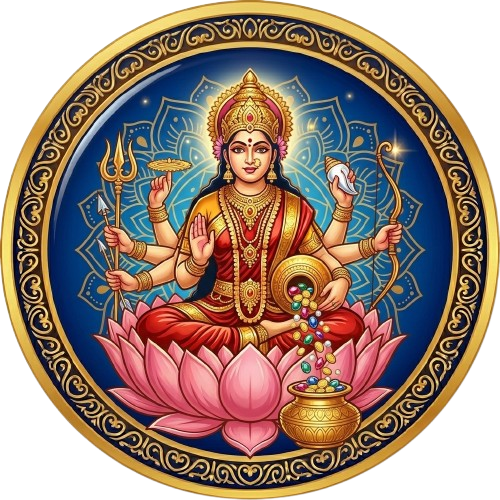
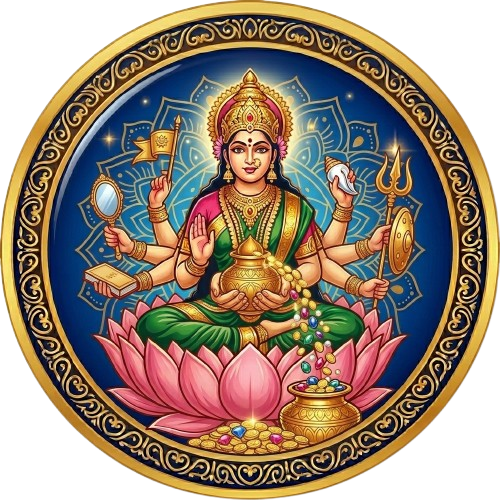
Sit quietly and meditate upon Goddess Varalakshmi. Visualize Her seated on a lotus, radiant with compassion, holding symbols of abundance and blessing Her devotees.
Simple mantra:
Om Shri Varalakshmyai Namah, Dhyayami.
Meaning:
O Goddess Varalakshmi, I meditate upon Your divine and auspicious form.
Inner significance:
Dhyanam prepares the mind for worship. It helps us leave behind distractions and approach the Goddess with concentration and devotion.
2. Avahanam: Inviting the Goddess
Invite Goddess Varalakshmi to be spiritually present in the Kalasham, idol, or image prepared for the Vratham.
Simple mantra:
Om Shri Varalakshmyai Namah, Avahayami.
Meaning:
O Goddess Varalakshmi, I respectfully invite You to accept my worship.
Inner significance:
Avahanam is an invitation from the heart. The devotee welcomes the divine presence into the home and consciousness.
3. Asanam: Offering a Sacred Seat
Offer flowers or akshata before the Goddess as a symbolic sacred seat.
Simple mantra:
Om Shri Varalakshmyai Namah, Asanam Samarpayami.
Meaning:
O Goddess Varalakshmi, I offer You this sacred and auspicious seat.
Inner significance:
Offering Asanam expresses our readiness to welcome the Goddess with dignity, love, and respect.
4. Padyam: Offering Water for the Divine Feet
Offer a small spoonful of water symbolically at the feet of the Goddess.
Simple mantra:
Om Shri Varalakshmyai Namah, Padyam Samarpayami.
Meaning:
O Goddess Varalakshmi, I offer this water to Your sacred lotus feet.
Inner significance:
Padyam represents humility. By worshipping the feet of the Goddess, devotees surrender pride and seek Her guidance.
5. Arghyam: Offering Water with Reverence
Offer water mixed with a flower, akshata, or sandalwood as an expression of honor.
Simple mantra:
Om Shri Varalakshmyai Namah, Arghyam Samarpayami.
Meaning:
O Goddess Varalakshmi, please accept this respectful offering.
Inner significance:
Arghyam symbolizes gratitude and reverence toward the divine presence.
6. Achamaniyam: Offering Water for Purification
Offer a small quantity of clean water symbolically for Achamanam.
Simple mantra:
Om Shri Varalakshmyai Namah, Achamaniyam Samarpayami.
Meaning:
O Goddess Varalakshmi, I offer this pure water for Achamanam.
Inner significance:
Achamaniyam represents purity in thought, speech, and action.
7. Snanam: Offering the Sacred Bath
Offer water symbolically to the Goddess. Where appropriate, a small idol may be bathed with water or Panchamritam according to family tradition.
Simple mantra:
Om Shri Varalakshmyai Namah, Snanam Samarpayami.
Meaning:
O Goddess Varalakshmi, I offer You this sacred bath.
Inner significance:
Snanam represents the cleansing of negativity and the purification of the devotee’s inner nature.
When worshipping a decorated Kalasham or framed image, sprinkle a few drops of water or offer the bath symbolically. Do not pour water directly over materials that may be damaged.
8. Vastram: Offering Sacred Clothing
Offer a new cloth, blouse piece, saree, or symbolic vastram to Goddess Varalakshmi.
Simple mantra:
Om Shri Varalakshmyai Namah, Vastram Samarpayami.
Meaning:
O Goddess Varalakshmi, I offer You this sacred clothing.
Inner significance:
Vastram represents dignity, protection, modesty, and divine grace.
9. Yajnopavitam or Mangala Sutram: Offering the Sacred Thread
According to family tradition, offer a sacred thread, Kanthasutram, Mangala Sutram, or auspicious thread to the Goddess.
Simple mantra:
Om Shri Varalakshmyai Namah, Mangala Sutram Samarpayami.
Meaning:
O Goddess Varalakshmi, I offer this auspicious sacred thread.
Inner significance:
This offering represents sacred responsibility, protection, marital harmony, and the continuity of family blessings.
Varalakshmi-specific puja traditions may include Kanthasutram, ornaments, and Saubhagya Dravyas as additional offerings.
10. Gandham: Offering Sandalwood Paste
Apply or offer sandalwood paste to the Goddess.
Simple mantra:
Om Shri Varalakshmyai Namah, Gandham Samarpayami.
Meaning:
O Goddess Varalakshmi, I offer this fragrant sandalwood paste.
Inner significance:
The cooling fragrance of sandalwood represents purity, peace, and control over restlessness.
11. Pushpam and Archana: Offering Flowers
Offer fresh flowers, petals, or akshata while chanting the names of Goddess Lakshmi.
Simple mantra:
Om Shri Varalakshmyai Namah, Pushpani Samarpayami.
Meaning:
O Goddess Varalakshmi, I offer these flowers with devotion.
Inner significance:
Flowers represent the blossoming of devotion. Each flower may be offered as a symbol of gratitude, faith, humility, compassion, and love.
Devotees may also chant Lakshmi Ashtottara Shatanamavali while offering flowers or kumkum.
12. Dhupam: Offering Incense
Light incense and gently offer its fragrance before the Goddess.
Simple mantra:
Om Shri Varalakshmyai Namah, Dhupam Aghrapayami.
Meaning:
O Goddess Varalakshmi, please accept this fragrant incense.
Inner significance:
As the fragrance spreads throughout the surroundings, devotees pray that noble thoughts, good actions, and divine grace may spread throughout their lives.
13. Deepam: Offering the Sacred Lamp
Show a lit oil or ghee lamp before Goddess Varalakshmi.
Simple mantra:
Om Shri Varalakshmyai Namah, Deepam Darshayami.
Meaning:
O Goddess Varalakshmi, I offer this sacred light.
Inner significance:
Deepam represents the removal of ignorance, fear, and confusion. It invokes wisdom, hope, clarity, and spiritual illumination.
14. Naivedyam: Offering Sacred Food
Offer fruits, sweets, payasam, cooked food, or traditional Varalakshmi Vratham naivedyam prepared with cleanliness and devotion.
Simple mantra:
Om Shri Varalakshmyai Namah, Naivedyam Nivedayami.
Meaning:
O Goddess Varalakshmi, I humbly offer this sacred food.
Inner significance:
Naivedyam expresses gratitude for the nourishment and abundance received in life. After the offering, the food becomes prasadam and is respectfully shared with the family.
15. Tambulam: Offering Betel Leaves and Betel Nuts
Offer betel leaves, betel nuts, fruits, flowers, and Dakshina according to availability and tradition.
Simple mantra:
Om Shri Varalakshmyai Namah, Tambulam Samarpayami.
Meaning:
O Goddess Varalakshmi, I offer this Tambulam with devotion.
Inner significance:
Tambulam represents the respectful completion of divine hospitality and the devotee’s gratitude for the presence of the Goddess.
16. Neerajanam: Offering Mangala Harati
Light camphor or a lamp and perform Mangala Harati before Goddess Varalakshmi.
Simple mantra:
Om Shri Varalakshmyai Namah, Karpura Neerajanam Samarpayami.
Meaning:
O Goddess Varalakshmi, I offer this auspicious light at Your lotus feet.
Inner significance:
Neerajanam marks the joyful completion of the sixteen offerings. The devotee receives the divine light with reverence and prays for the Goddess to illuminate the home with prosperity, health, unity, and peace.
After Harati, offer Mantrapushpam, perform Namaskaram, and seek forgiveness for any mistakes made knowingly or unknowingly during the worship.
Simple Kshama Prarthana
Mantra:
Mantra-hinam Kriya-hinam
Bhakti-hinam Sureshwari
Yat Pujitam Maya Devi
Paripurnam Tadastu Me
Meaning:
O Divine Mother, my worship may be incomplete in mantra, method, or devotion. Please accept it with compassion and make it complete through Your grace.
The Deeper Meaning of the Sixteen Offerings
Shodashopachara Puja is not merely a sequence of external rituals.
- Through water, we offer purity.
- Through sandalwood, we offer peaceful thoughts.
- Through flowers, we offer devotion.
- Through incense, we offer noble intentions.
- Through the lamp, we offer awareness.
- Through food, we offer gratitude.
- Through Harati, we surrender our entire life to the divine light.
The value of the puja does not depend only on the number or cost of the offerings. A simple worship performed with sincerity, cleanliness, discipline, and devotion can carry deep spiritual meaning.
Frequently Asked Questions
1. Is Shodashopachara Puja compulsory for Varalakshmi Vratham?
It is a traditional and complete form of worship, but families may follow different procedures. Devotees should follow their family custom, regional tradition, or the guidance of an experienced priest.
2. Can beginners perform the sixteen offerings?
Yes. Beginners may perform each step using the simple mantra:
Om Shri Varalakshmyai Namah.
The intention and devotion behind the offering are more important than attempting unfamiliar mantras without proper guidance.
3. Can I perform the puja without a Varalakshmi idol?
Yes. The worship may be performed using a traditionally prepared Kalasham, an image of Goddess Lakshmi, or an idol, depending on family tradition.
4. Should Panchamritam be used for Snanam?
Panchamritam may be used when performing Abhishekam to a suitable idol. For a decorated Kalasham or framed image, Snanam may be offered symbolically with a flower or a few drops of water.
5. What should I do if some puja materials are unavailable?
Offer what is available with sincerity. Flowers may be replaced with akshata, clothing may be offered symbolically, and water may represent unavailable offerings. Avoid anxiety or waste while performing the puja.
6. Can working women perform a shorter version?
Yes. When time is limited, devotees may offer Gandham, Pushpam, Dhupam, Deepam, and Naivedyam with sincere prayers. Those wishing to perform the complete Vratham may seek priest guidance and prepare the materials beforehand.
7. Can Varalakshmi Vratham be performed outside India?
Yes. Devotees living in the United States, Canada, the United Kingdom, Australia, Europe, the Middle East, or anywhere else may perform the Vratham at home using locally available materials.
An experienced priest can guide the family live online according to their location, timezone, language, and family tradition.
8. Can a priest guide the entire Varalakshmi Puja online?
Yes. Through live video guidance, the priest can help devotees perform Sankalpam, Kalasha Sthapana, Shodashopachara Puja, Archana, Vratha Katha, Naivedyam, and Mangala Harati step by step.
The family performs the sacred rituals in their own home while following the priest’s live instructions.
9. What if I make a mistake while chanting?
Do not become anxious. Continue the worship with faith and conclude with Kshama Prarthana, asking the Goddess to forgive any mistakes in pronunciation or procedure.
10. Can the puja be conducted according to our family sampradaya?
Yes. Before the ceremony, the family may discuss its customary practices, language, and sampradaya with the priest so the puja can be guided respectfully and appropriately.
Perform Varalakshmi Vratham with Confidence and Devotion
Every sacred offering becomes more meaningful when its purpose is understood and performed with proper guidance.
VedicBlessing connects you live with highly experienced Vedic priests who guide you through every stage of the Varalakshmi Vratham with patience, clarity, authenticity, and devotion.
You perform the puja in your own home while the priest guides you live through video call. From Sankalpam and Kalasha Sthapana to Shodashopachara Puja, Archana, Vratha Katha, Naivedyam, and Mangala Harati, every important step is explained clearly so that nothing essential is missed.
Our priests use microphones for clear mantra recitation, and families may connect the call to speakers so everyone participating in the Vratham can hear the sacred mantras and instructions clearly.
Wherever you live, VedicBlessing helps you preserve your family traditions and perform the Vratham with confidence.
Book your Varalakshmi Vratham today at VedicBlessing.com and experience the power of authentic Vedic worship, guided live by experienced priests who perform every sacred step with precision and devotion to bring prosperity, harmony, peace, and divine blessings into your home.
May Goddess Varalakshmi bless your family with health, abundance, unity, happiness, and lasting auspiciousness.
Om Shri Varalakshmyai Namah.