Dhanteras 2026: Stories, Significance & Lakshmi Worship
Before Diwali’s lamps illuminate our homes, Dhanteras invites us to reflect on an important question: what makes us truly prosperous?
Gold, silver and new purchases are familiar parts of the celebration. Yet Dhanteras also honours Lord Dhanvantari, associated with Ayurveda and well-being. In many households, the occasion includes worship of Goddess Lakshmi and Lord Kubera.
These traditions bring together prayers for well-being, prosperity and an auspicious life. Understanding their distinct meanings helps us celebrate with greater awareness and devotion.
When Is Dhanteras in 2026?
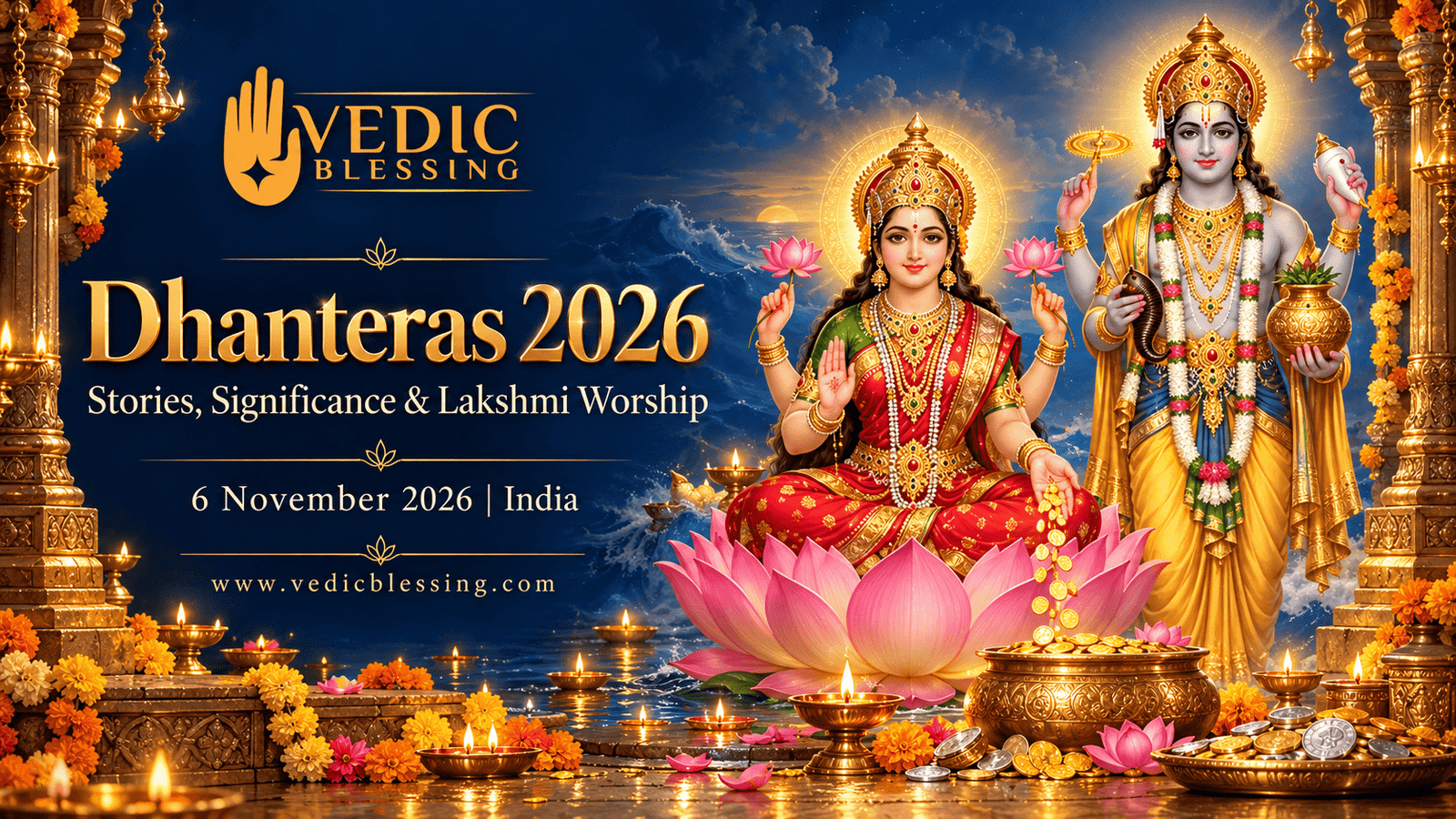
Dhanteras falls on Friday, 6 November 2026, in India.
For New Delhi, the listed evening puja muhurtham is 6:02 PM to 7:57 PM IST. This timing is specific to New Delhi.
Devotees in other cities and countries should follow a Panchang calculated for their location. An Indian muhurtham should not simply be converted into another time zone and assumed to be the appropriate local puja window.
What Does Dhanteras Mean?
Dhanteras is also called Dhantrayodashi. “Dhan” refers to wealth, while “teras” refers to Trayodashi, the thirteenth lunar day.
It marks the beginning of the Diwali festive period in many traditions. Families prepare their homes, light lamps, offer prayers and sometimes purchase precious metals or useful household items.
The occasion also encourages gratitude for what already sustains us: livelihood, food, shelter, knowledge and the support of loved ones.
What Is the Puranic Story Behind Lord Dhanvantari?
The Churning of the Ocean of Milk
The Srimad Bhagavata Purana, Canto 8, Chapter 8, describes events during Samudra Manthana, the churning of the Ocean of Milk. The devas and asuras undertake the great churning in their search for amrita, the nectar of immortality. Divine beings and treasures emerge as the churning continues.
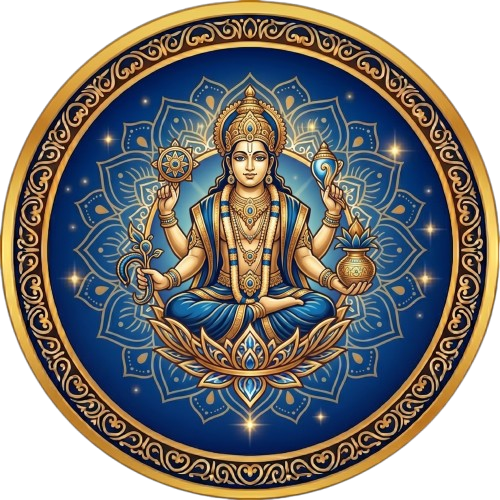
Among them is Goddess Lakshmi, who chooses Lord Vishnu as her consort. Later, Lord Dhanvantari appears carrying a vessel of nectar. The text identifies him as a manifestation of Vishnu and describes his knowledge of Ayurveda.
Dhanteras is traditionally observed as Dhanvantari Jayanti, honouring his appearance.
What Does Dhanvantari’s Story Teach Us?
Dhanvantari’s association with healing knowledge invites us to value well-being as an essential part of a fulfilled life. The occasion offers an opportunity to express gratitude for those who care for us and to reflect on how thoughtfully we care for ourselves and our families.
This is a spiritual reflection on the story. Worship is a prayer for blessings, while appropriate healthcare and responsible daily choices remain important.
Why Is Goddess Lakshmi Worshipped on Dhanteras?
Dhanteras brings together several devotional observances.
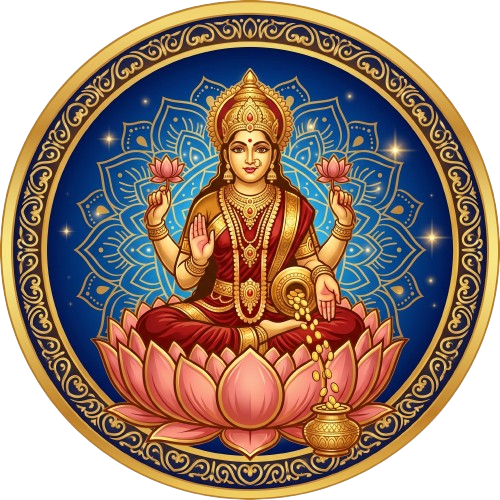
As Dhanvantari Jayanti, it honours Lord Dhanvantari. In many households, the occasion also includes Lakshmi–Kubera worship, offering prayers for prosperity and auspiciousness as the Diwali celebrations begin. Lakshmi worship is therefore an established festival tradition alongside Dhanvantari remembrance. It should not be explained simply as a consequence of Dhanvantari’s appearance.
The Bhagavata Purana connects Lakshmi and Dhanvantari through Samudra Manthana but describes them emerging at different stages. That narrative does not establish that they appeared on the same lunar date.
For devotees, the traditions offer a meaningful understanding of prosperity: the resources that sustain a home, the well-being that supports daily life and the wisdom to care for both.
Who Is Lord Kubera, and Why Is He Worshipped?
Lord Kubera is traditionally revered as a guardian of wealth. Some families include him in Dhanteras worship alongside Goddess Lakshmi. Their worship can inspire reflection on both receiving prosperity and managing resources responsibly.
This gives the celebration a practical dimension. Honouring commitments, maintaining fair dealings, avoiding unnecessary waste and helping others are ways to bring those values into everyday life.
Customs differ, so every household need not follow an identical ceremony.
Why Do People Buy Gold, Silver or Utensils?
Purchasing precious metals or useful household items is a popular Dhanteras custom. Many families regard it as an auspicious beginning and an expression of hope for prosperity. However, buying gold is not compulsory, and a purchase does not guarantee financial gain.
A modest, useful item within your budget can be meaningful. Families can also celebrate through prayer, lighting lamps, sharing food and charitable giving. The purpose is to welcome the festive season with gratitude and thoughtful intention, without pressure to spend beyond one’s means.
What Is Yama Deepam?
In some traditions, families light an additional lamp outside the home on Dhantrayodashi as Yama Deepam. It is a devotional offering associated with prayers for longevity and protection from untimely death. For New Delhi, the 2026 Panchang lists this observance on 6 November.
The detailed practice should follow your family tradition or priest’s guidance. It is an expression of faith, rather than a guarantee of protection. Place lamps securely, away from flammable materials and walkways.
How Can You Celebrate Dhanteras at Home?
Prepare Your Puja Space
Clean your altar and arrange the deities respectfully. Keep the space comfortable so everyone can participate without rushing.
Keep the Required Items Ready
A general preparation list may include:
- Pictures or idols appropriate to your worship.
- Diyas, cotton wicks, and oil or ghee.
- Flowers, turmeric, kumkum and akshata.
- Fruits and freshly prepared vegetarian naivedyam.
- Clean water, a vessel and a spoon.
- An aarti plate and a puja bell.
- A priest-led ceremony may require additional materials. Confirm the final list beforehand.
Begin with Gratitude
Remember the people, opportunities and resources that have supported your family. Your sankalpa may include prayers for family harmony, well-being, sincere progress and the strength to fulfil your responsibilities.
Offer Prayers and Aarti
Follow your household practice or the priest’s instructions. Understanding the steps helps the family participate with attention and confidence.
Share Your Blessings
Offer a meal, contribute towards someone’s needs or support a charitable cause. Generosity gives practical expression to gratitude.
Which Simple Prayers Can You Recite?
A Salutation to Lord Dhanvantari
ॐ श्री धन्वन्तरये नमः ॥
Om Shri Dhanvantaraye Namah
Meaning: I bow to Lord Dhanvantari.
Offer this salutation with reverence and gratitude for the knowledge and care that support well-being.
A Salutation to Goddess Mahalakshmi
ॐ श्री महालक्ष्म्यै नमः ॥
Om Shri Mahalakshmyai Namah
Meaning: I bow to Goddess Mahalakshmi.
Pray for auspiciousness, harmony and the wisdom to use prosperity responsibly.
A Salutation to Lord Ganesha
ॐ श्री गणेशाय नमः ॥
Om Shri Ganeshaya Namah
Meaning: I bow to Lord Ganesha.
Families may offer this simple prayer at the beginning of worship.
For household prayer, recite slowly and attentively. Follow appropriate guidance for formal rituals or prescribed japa practices.
Frequently Asked Questions
Are Dhanteras and Diwali observed on the same day?
No. Dhanteras is an earlier observance within the Diwali festive period. In India in 2026, Dhanteras falls on 6 November, while Diwali Lakshmi Puja falls on 8 November.
Why are both Dhanvantari and Lakshmi associated with Dhanteras?
The festival brings together different devotional traditions. Dhanvantari Jayanti honours Dhanvantari’s appearance, while many households perform Lakshmi–Kubera worship for prosperity and auspiciousness.
Did Lakshmi and Dhanvantari emerge together?
The Bhagavata Purana describes both emerging during Samudra Manthana, but at different stages. Their appearances should not be presented as one simultaneous event.
Must we buy gold on Dhanteras?
No. Buying gold is a customary practice, not a requirement for meaningful worship.
Must every family worship all the deities together?
No single procedure applies to every household. Follow your established tradition or seek guidance for the ceremony you wish to perform.
Can we arrange Mahalakshmi Puja on Dhanteras?
Yes. Mahalakshmi Puja is a meaningful way to honour the occasion’s Lakshmi worship tradition.
Can we use the idols already in our home?
Many families do. Confirm any specific requirements if you are arranging a formal ceremony.
Can we participate without knowing Sanskrit?
Yes. A priest can lead the chanting and explain when to offer flowers, water, naivedyam and aarti. You can participate through simple responses and attentive prayer.
Can families abroad join through online guidance?
Yes. You make the offerings at home while the priest leads the worship through a live video session. Share your location and time zone when arranging the puja.
Does the puja guarantee wealth or good health?
Puja is an act of devotion and a prayer for blessings. Sincere effort, responsible financial decisions and appropriate healthcare remain essential.
Begin Your Diwali Celebrations with Mahalakshmi Puja
Make Dhanteras a dedicated moment of gratitude and prayer for your family.
Book Mahalakshmi Puja with VedicBlessing and participate from home through live online guidance from an experienced priest.
With authentic chanting, personalized sankalpa and clear, step-by-step instructions, your family can follow the worship with understanding and confidence.
Contact us early to request your preferred Dhanteras puja slot, subject to availability. Share your city, country, time zone, preferred time and language. Our team will guide you through scheduling and the required puja items.
Visit www.vedicblessing.com or contact us through the website’s WhatsApp option.
May Goddess Mahalakshmi bless your home with auspiciousness, gratitude and harmony.