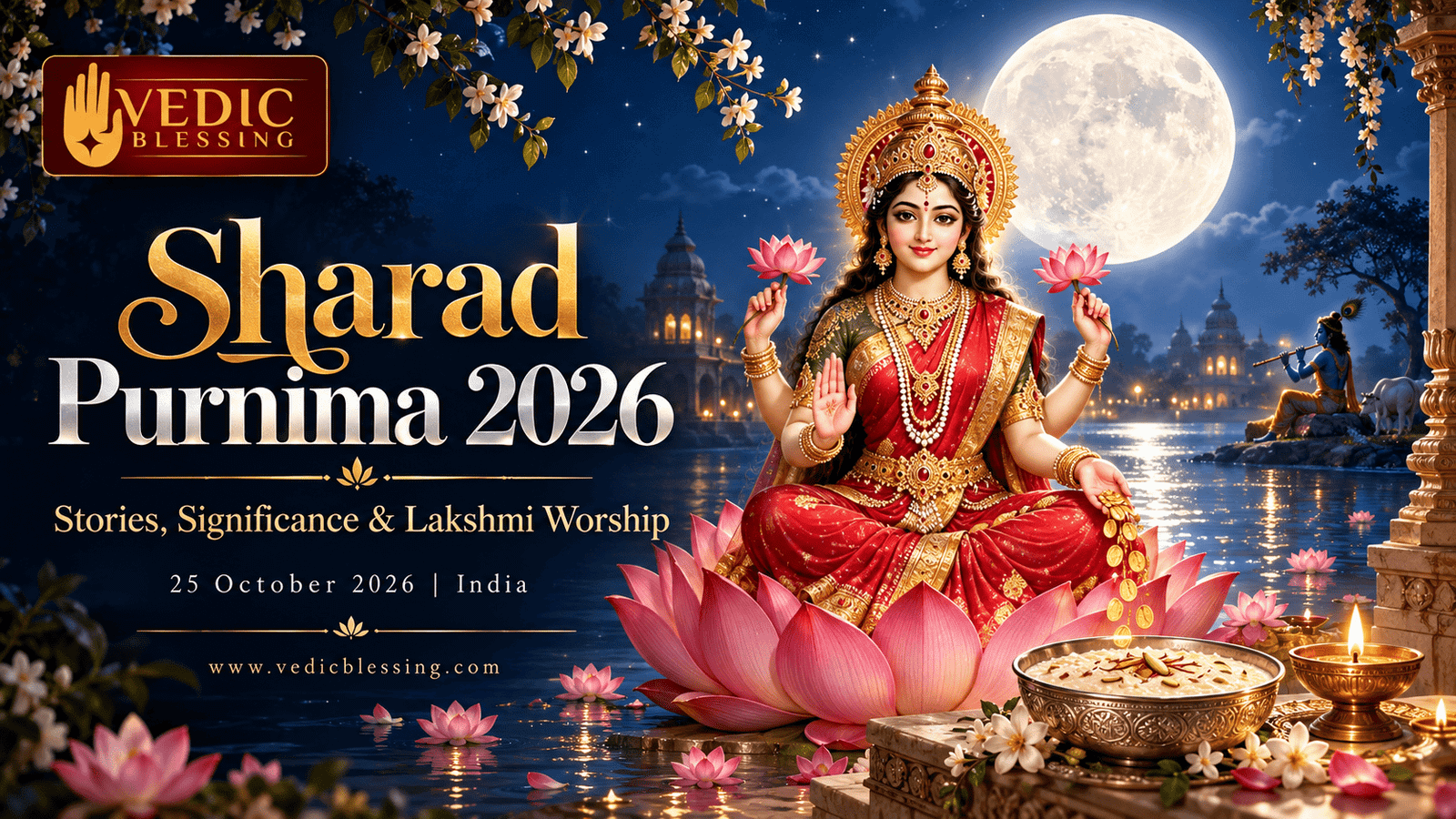
Sharad Purnima 2026: Stories, Significance & Lakshmi Worship
A radiant autumn moon, a diya glowing before Goddess Lakshmi and a family gathered in prayer. Sharad Purnima brings these simple moments together in a celebration of devotion, gratitude and divine grace.
Behind its familiar customs are meaningful stories: Krishna’s flute calling the gopis beneath the autumn moon, and the Kojagari tradition of Goddess Lakshmi asking, “Who is awake?”
Understanding these traditions makes the occasion more than a ritual. It becomes an opportunity to reflect on the blessings we receive and the care with which we use them.
When Is Sharad Purnima in 2026?
Sharad Purnima falls on Sunday, 25 October 2026, in India.
For New Delhi, the Purnima tithi begins at 11:55 AM on 25 October and ends at 9:41 AM on 26 October, in IST. These are the tithi boundaries, rather than a prescribed puja window.
Devotees outside India should follow a Panchang calculated for their location, as the observance date and timings may differ.
What Is Sharad Purnima?
“Sharad” refers to autumn, while “Purnima” means the full-moon day. The festival falls in the Hindu month of Ashwin, known as Ashwayuja in Telugu usage.
Different regions celebrate through different devotional traditions. Some emphasise Lakshmi worship, others honour Krishna’s Maha Raas, and many include prayers to Chandra, the Moon.
The occasion brings families together for worship, offerings, devotional singing and quiet reflection.
Why Is Moonlight Important on Sharad Purnima?
Moonlight is central to the festival’s atmosphere and customs. Traditional descriptions associate the Moon with all sixteen kalas, expressing fullness and completeness.
This is a devotional understanding, rather than a scientific claim that Sharad Purnima must be the brightest night of every year.
For devotees, the gentle moonlight offers a beautiful symbol of serenity. It encourages us to pause amid daily responsibilities and make room for prayer, gratitude and a peaceful mind.
What Puranic Story Is Connected with Sharad Purnima?
Krishna’s Flute Beneath the Autumn Moon
The Srimad Bhagavata Purana, Canto 10, Chapters 29–33, narrates Krishna’s Raas Leela. The story opens on an autumn night fragrant with blossoming jasmine. The full moon rises, its light illuminating the forest, and Krishna begins to play his flute.
Hearing the melody, the gopis of Vrindavan are drawn towards him. Their response expresses the wholehearted devotion for which they are remembered in Krishna bhakti. As the narrative unfolds, Krishna disappears when pride arises among them. The gopis search for him, remembering his pastimes and singing of their longing. His absence deepens their humility and devotion.
When Krishna returns, the Raas dance takes place beside the Yamuna. He manifests his presence between the gopis, allowing each to experience his closeness.
What Does the Raas Leela Teach Us?
In Vaishnava devotional interpretation, the Raas Leela expresses the soul’s love for the divine.
The story invites us to approach God with humility and sincere devotion. Krishna’s presence beside each gopi offers a moving image of a personal relationship with the divine.
The Bhagavata describes the autumn full-moon setting; the celebration of Maha Raas specifically on Sharad Purnima belongs to the devotional festival tradition. Families honour this connection through Krishna bhajans, scripture readings and prayer.
Why Is Sharad Purnima Called Kojagari Purnima?
The name Kojagari is traditionally connected with the Sanskrit question “Ko jagarti?”, meaning “Who is awake?” According to the Kojagari vrat tradition, Goddess Lakshmi visits the world on this full-moon night and blesses devotees who remain awake in her remembrance.
Families welcome her through worship, lamps, offerings and devotional gatherings. This is a traditional festival belief, expressed through different regional customs.
What Is the Deeper Meaning of “Who Is Awake?”
Beyond the customary night vigil, the question offers a thoughtful reflection. Are we attentive to our responsibilities? Do we recognise the blessings already present in our lives? Are we willing to help someone with the resources available to us?
Understood this way, wakefulness becomes a reminder to live with awareness, gratitude, and generosity.
Why Is Goddess Lakshmi Worshipped?
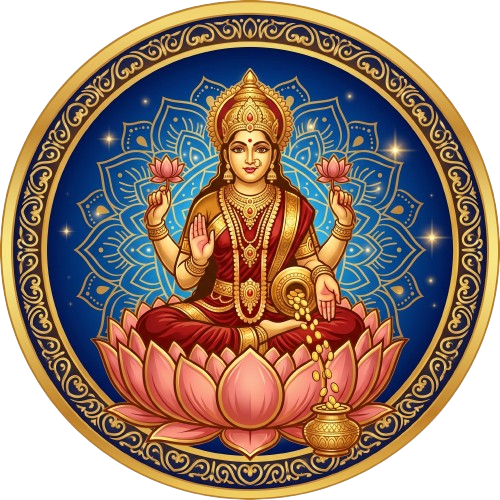
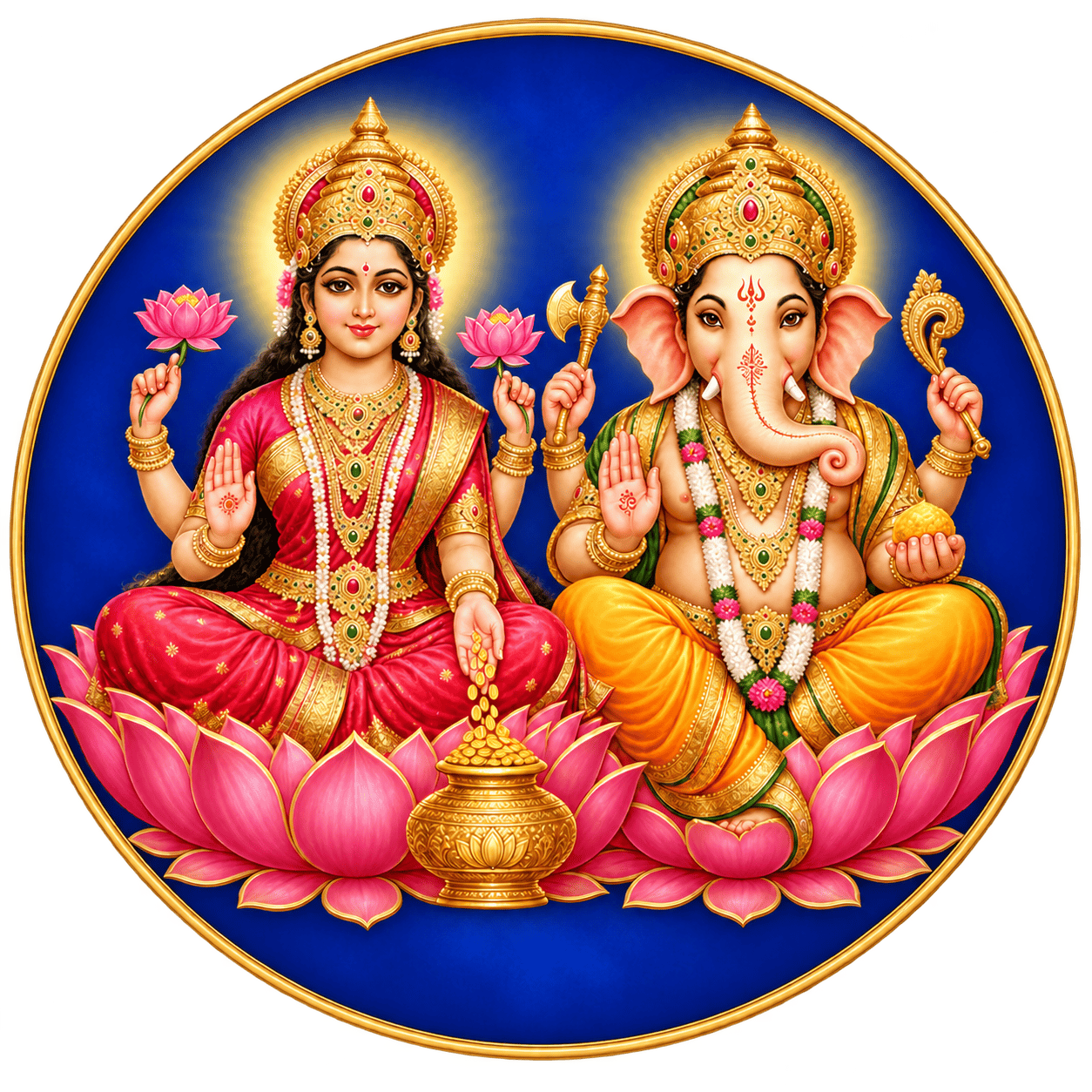
Goddess Lakshmi is revered as the divine presence of prosperity and auspiciousness. Her worship gives families an opportunity to express gratitude for livelihood, food, shelter, learning and the resources that sustain their homes. It also encourages us to consider how we use those resources. Honest work, responsible decisions and care for others help prosperity become a source of wider well-being.
A meaningful prayer for the occasion is:
May our home be blessed with sufficient resources, harmony and the wisdom to share what we receive.
Why Is Kheer Placed Under Moonlight?
Preparing rice kheer and placing it beneath the moon is a cherished Sharad Purnima custom in many households. Traditional belief associates the night’s moonlight with nectar-like nourishment and divine blessings. The offering is later received and shared as prasadam.
Its devotional meaning lies in preparing food with care, offering it gratefully and sharing it with loved ones.
Claims that moonlight makes kheer medicinal or cures illness should not be presented as established facts. Keep milk-based offerings hygienic and refrigerate them promptly, rather than leaving them unrefrigerated overnight.
How Can You Observe Sharad Purnima at Home?
A sincere observance can be simple and peaceful.
Prepare the puja space. Clean your altar and arrange a picture or idol of Goddess Lakshmi. Include Vishnu or Krishna according to your family’s practice.
Light a diya. Take a few quiet moments to settle your mind before beginning.
Offer flowers and naivedyam. Prepare kheer, fruits or another suitable offering according to your custom.
Recite prayers or sing bhajans. Choose familiar prayers that you can follow attentively.
Spend time in remembrance. Read the Raas Leela story, listen to devotional music or reflect on the meaning of the occasion. If your tradition includes a vigil, spend that time prayerfully.
Share prasadam and kindness. Offering a meal, supporting someone in need or making a charitable contribution can carry the spirit of worship into daily life.
Those undertaking a formal vrat should follow the procedure appropriate to their tradition.
Which Prayers Can You Chant?
A Simple Prayer to Goddess Mahalakshmi
ॐ श्री महालक्ष्म्यै नमः ॥
Om Shri Mahalakshmyai Namah
Meaning: I bow to Goddess Mahalakshmi.
Recite with gratitude and a sincere prayer for an auspicious life.
A Verse from the Mahalakshmi Ashtakam
नमस्तेऽस्तु महामाये श्रीपीठे सुरपूजिते ।
शङ्खचक्रगदाहस्ते महालक्ष्मि नमोऽस्तु ते ॥
Namastestu Mahamaye
Shri Pithe Sura Pujite
Shankha Chakra Gada Haste
Mahalakshmi Namostute
Meaning: Salutations to Mahalakshmi, the great divine power, worshipped by the devas and holding the conch, discus and mace.
This is the opening verse of the Mahalakshmi Ashtakam.
A Simple Prayer to Lord Krishna
ॐ नमो भगवते वासुदेवाय ॥
Om Namo Bhagavate Vasudevaya
Meaning: I offer my salutations to Lord Vasudeva, the Supreme Lord.
For simple family prayer, recite slowly and attentively. Follow appropriate guidance for prescribed repetition counts or formal rituals.
Frequently Asked Questions
Are Sharad Purnima and Kojagari Purnima the same?
They refer to the same full-moon occasion in many traditions. “Kojagari” particularly highlights Lakshmi worship and the devotional vigil, while other regions emphasise Krishna worship or other observances.
Is Sharad Purnima the same as Purnima Shraddha?
No. Sharad Purnima is an autumn festival associated with devotional worship. Purnima Shraddha is a separate ancestral observance.
Is staying awake all night compulsory?
Customs differ. A vigil is significant in some Kojagari traditions. Families undertaking a formal vrat should seek guidance about its requirements.
Must everyone fast?
There is no single fasting practice followed by every household. Follow your tradition and consider your health needs when deciding how to observe a fast.
Can we worship if clouds hide the Moon?
Yes. You can continue your prayers and offerings indoors.
Can we perform Mahalakshmi Puja on this occasion?
Yes. Mahalakshmi Puja is a meaningful way to honour the Goddess in keeping with the occasion’s Lakshmi worship traditions.
Do we need to know Sanskrit to participate?
No. With priest guidance, you can follow the offerings and participate through simple responses, attentive listening and prayer.
Can families living abroad join an online guided puja?
Yes. Share your city, country and time zone when arranging the session so the timing can be planned appropriately.
Honour Goddess Lakshmi with VedicBlessing
Make this Sharad Purnima a dedicated moment of gratitude and devotion for your family. Book Mahalakshmi Puja with VedicBlessing and participate from home through live online guidance from an experienced priest.
With authentic chanting, personalized sankalpa and clear, step-by-step instructions, your family can follow the worship with understanding and confidence.
As Sharad Purnima approaches, contact us promptly to request an available Mahalakshmi Puja slot. Share your preferred date, city, country, time zone and language. Our team will guide you through the arrangements and required puja items.
Visit www.vedicblessing.com or contact us through the website’s WhatsApp option.
May Goddess Mahalakshmi bless your home with auspiciousness, harmony and generosity.