Ekadashi: Meaning, Origin, Significance and How to Observe the Sacred Vrat
Upcoming Ekadashi: Saturday, July 25, 2026
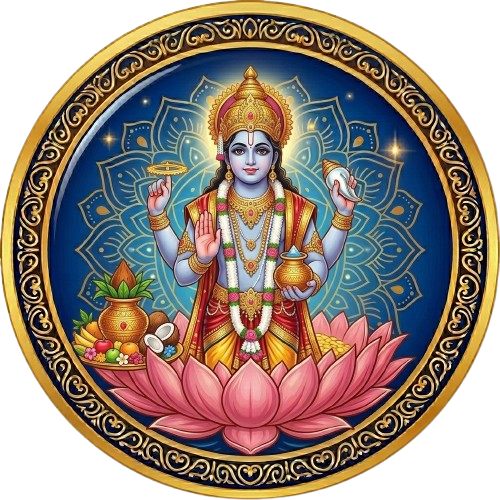
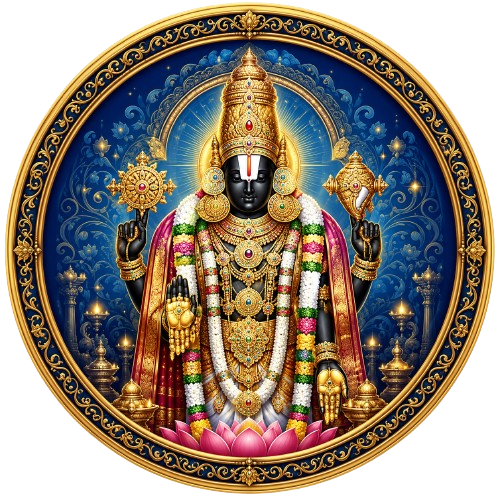
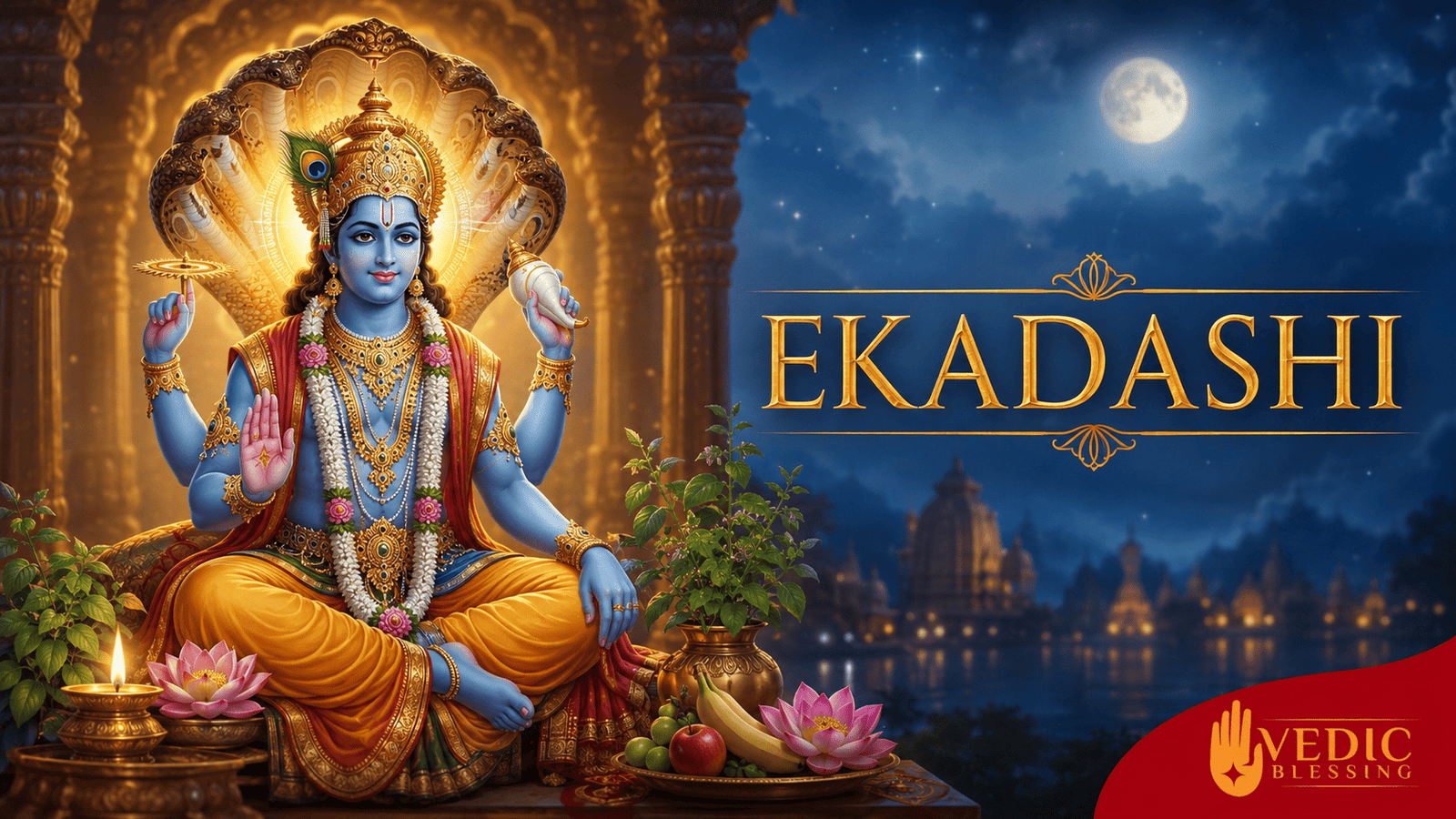
Ekadashi is one of the most sacred days in Sanatana Dharma. Observed twice every lunar month, it is dedicated primarily to Lord Vishnu and is considered a powerful day for fasting, prayer, self-discipline and spiritual purification.
But Ekadashi is not merely about avoiding food. Its deeper purpose is to withdraw the mind from worldly distractions and turn it toward the Divine.
The upcoming Ekadashi falls on Saturday, July 25, 2026. It is known as Devshayani Ekadashi, the sacred day associated with Lord Vishnu entering Yoga Nidra and the beginning of Chaturmasya.
What Is Ekadashi?
Ekadashi is the eleventh lunar day, or Tithi, of each fortnight in the Hindu calendar.
Every lunar month has two Ekadashis:
- Krishna Paksha Ekadashi, during the waning Moon
- Shukla Paksha Ekadashi, during the waxing Moon
Normally, there are 24 Ekadashis in a year. Each Ekadashi has a distinct name, story and spiritual significance, but all are dedicated to purification, devotion and control of the mind and senses.
What Does “Ekadashi” Mean?
“Ekadashi” means “the eleventh.”
Spiritually, it is also associated with the eleven faculties of human experience:
- Five organs of perception
- Five organs of action
- The mind
Observing Ekadashi means guiding all eleven faculties away from excessive worldly enjoyment and directing them toward prayer, self-reflection and devotion.
Therefore, the true Ekadashi fast is not limited to food. It is also a fast from anger, dishonesty, gossip, jealousy, harsh speech and harmful thoughts.
When Is Ekadashi Observed?
Ekadashi is observed on the eleventh Tithi of both Shukla Paksha and Krishna Paksha.
The exact date and Parana time may differ according to location, sunrise and the Panchang followed by the family. Devotees living in the USA, Canada, UK, Australia and other countries should confirm the date according to their local Panchang.
Upcoming Ekadashi in July 2026
Devshayani Ekadashi: Saturday, July 25, 2026. - Devshayani Ekadashi marks the beginning of Chaturmasya, the sacred four-month period traditionally devoted to increased prayer, restraint, charity and spiritual discipline.
Why Is Ekadashi Observed?
Ekadashi is observed to reduce worldly distractions and create space for spiritual awareness.
Fasting lightens the body, while prayer and chanting steady the mind. When performed with devotion and discipline, Ekadashi becomes an opportunity to examine our actions, correct unhealthy habits and reconnect with the Divine.
Devotees observe Ekadashi to seek:
- Lord Vishnu’s blessings
- Purification of the mind and heart
- Control over desires and senses
- Freedom from negative habits
- Peace and harmony within the family
- Strength to follow a righteous path
- Spiritual progress and divine protection
- The value of Ekadashi lies not in remaining hungry, but in becoming more prayerful, compassionate and conscious.
The Origin and Story of Ekadashi
According to a traditional account associated with Ekadashi, a powerful demon named Mura created great suffering and challenged the Devas. Lord Vishnu fought him for a long time and later rested in a cave.
When Mura attempted to attack Lord Vishnu during His rest, a radiant divine feminine power emerged from the Lord. She defeated the demon and protected the Divine purpose.
Pleased with her devotion and strength, Lord Vishnu named her Ekadashi, as she had appeared on the eleventh lunar day. He granted her the blessing that those who sincerely observed Ekadashi with fasting, prayer and devotion would receive spiritual merit and progress toward liberation.
The story symbolizes an important inner truth. Mura represents uncontrolled desires and negative tendencies. Ekadashi represents the spiritual discipline that awakens within us and helps overcome them.
Who Can Observe Ekadashi?
Anyone with faith may observe Ekadashi.
It may be followed by:
- Individuals seeking spiritual growth
- Families praying for peace and protection
- Devotees of Lord Vishnu or Lord Krishna
- People wishing to develop discipline
- Those seeking freedom from harmful habits
- Parents praying for their children’s welfare
- Children, elderly people, pregnant women and individuals with medical conditions should not undertake strict fasting without appropriate guidance. They may observe Ekadashi through simple sattvic food, prayer, charity and chanting.
Devotion is more important than physical hardship.
Where Can Ekadashi Be Observed?
Ekadashi may be observed at home, in a temple or wherever the devotee can maintain a peaceful and prayerful atmosphere.
Families living abroad can worship Lord Vishnu at home and receive live online guidance from an experienced Vedic priest. A simple altar, lamp, flowers, Tulasi leaves, fruits and sincere devotion are enough to begin.
How to Observe Ekadashi Vrat
1. Prepare on Dashami
On the day before Ekadashi, consume simple sattvic food and avoid overeating. Traditionally, devotees avoid grains, non-vegetarian food, alcohol, onion and garlic.
Try to maintain purity in speech, thoughts and actions.
2. Take Sankalpa
On Ekadashi morning, bathe and sit before Lord Vishnu. Take a sincere Sankalpa to observe the vrat for spiritual purification, family welfare or a personal prayer.
3. Worship Lord Vishnu
Offer Lord Vishnu:
- Tulasi leaves
- Flowers
- Fruits
- Incense
- A ghee or oil lamp
- Ekadashi-appropriate Naivedyam
Tulasi is considered especially sacred in the worship of Lord Vishnu.
4. Chant Vishnu Mantras
A simple and powerful mantra is:
ॐ नमो नारायणाय
Om Namo Narayanaya
Meaning: Salutations to Lord Narayana, the protector and sustainer of all creation.
Devotees may also recite Vishnu Sahasranama, listen to Ekadashi Vrat Katha or chant the names of Lord Krishna.
5. Observe Fasting According to Your Capacity
Ekadashi may be observed in different ways:
- Nirjala, without food or water
- With water
- With fruits and milk
- With permitted Ekadashi foods
- With one simple sattvic meal
Strict fasting is not compulsory for everyone. Choose an observance appropriate to your health, age and family tradition.
6. Practise Inner Fasting
Avoid:
- Anger and arguments
- Gossip and criticism
- Falsehood
- Excessive entertainment
- Harmful thoughts
- Unnecessary indulgence
- Spend more time in prayer, silence, spiritual reading and service.
7. Perform Parana on Dwadashi
The Ekadashi fast is traditionally completed by performing Parana during the prescribed period on Dwadashi. Offer prayers to Lord Vishnu, express gratitude and break the fast with sattvic food. The correct Parana time should be checked according to one’s location.
What Can Be Eaten on Ekadashi?
Depending on family tradition, permitted foods may include:
- Fruits
- Milk and curd
- Nuts
- Potatoes and sweet potatoes
- Sabudana
- Sama rice or vrat rice
- Certain root vegetables
- Rock salt
- Grains, regular rice, wheat and pulses are generally avoided.
Regional traditions may differ, so devotees should follow their family Sampradaya or the guidance of a knowledgeable priest.
Why Are Rice and Grains Avoided?
Traditionally, grains and rice are avoided to keep the body light and support alertness during prayer and spiritual practice.
The purpose is not simply dietary restriction. By consciously giving up regularly consumed foods, devotees practise restraint and remind themselves that the senses should serve the higher purpose of life.
What Is the Importance of Devshayani Ekadashi?
The upcoming Ekadashi on July 25, 2026, is Devshayani Ekadashi.
According to tradition, Lord Vishnu enters Yoga Nidra on this day and rests upon Adishesha in the cosmic ocean. Devshayani Ekadashi marks the beginning of Chaturmasya, a four-month period of spiritual discipline.
During Chaturmasya, devotees traditionally increase:
- Prayer and mantra chanting
- Temple worship
- Charity and service
- Sattvic living
- Scriptural reading
- Control over food and habits
This Ekadashi prepares devotees to enter the sacred months ahead with greater purity and devotion.
Frequently Asked Questions
Is complete fasting compulsory on Ekadashi?
No. Fasting should be observed according to one’s health and capacity. Fruits, milk or permitted Ekadashi foods may be consumed.
Can we observe Ekadashi without fasting?
Yes. Those unable to fast may avoid grains, eat simple sattvic food, worship Lord Vishnu, chant mantras and practise charity.
Can children and elderly people observe Ekadashi?
Yes, but they should not be forced to follow a strict fast. A simple dietary observance combined with prayer is sufficient.
Can pregnant women observe Ekadashi?
Pregnant women should avoid strict fasting unless approved by a medical professional. They may observe the day through prayer, chanting and sattvic food.
Which deity is worshipped on Ekadashi?
Ekadashi is primarily dedicated to Lord Vishnu, Lord Narayana and Lord Krishna.
Can Shiva devotees observe Ekadashi?
Yes. Ekadashi may be observed by any devotee. Sanatana Dharma encourages sincere devotion and self-discipline without limiting the observance to one group.
What mantra can be chanted?
Devotees may chant:
Om Namo Narayanaya
They may also recite Vishnu Sahasranama or chant the Hare Krishna Maha Mantra.
When should the fast be broken?
The fast should be broken during the appropriate Parana period on Dwadashi. The correct time varies by location and must be checked using the local Panchang.
What is more important, fasting or devotion?
Devotion, purity of thought and self-control are most important. A strict fast without kindness and prayer does not fulfil the deeper purpose of Ekadashi.
The Spiritual Message of Ekadashi
Ekadashi teaches us to pause before desire becomes action, to bring discipline before indulgence and to place devotion above distraction.
When the senses become quiet, the mind becomes clear. When the mind becomes clear, prayer becomes deeper. This is the true power of Ekadashi.
Conclusion
Ekadashi is not merely a day without grains. It is a sacred opportunity to purify the body, discipline the senses and bring the mind closer to Lord Vishnu.
Begin with the upcoming Devshayani Ekadashi on Saturday, July 25, 2026, and enter the sacred season of Chaturmasya and the approaching Shravana Masam with devotion, clarity and a peaceful heart.
Would you like to observe Ekadashi with the proper Sankalpa, Vishnu Puja, traditional mantras and Vrat Katha?
VedicBlessing connects families worldwide with experienced Vedic priests for personalized live online guidance. Observe your sacred traditions confidently from the comfort of your home.
Book your online priest guidance at VedicBlessing.com
WhatsApp: +91 90630 82668